
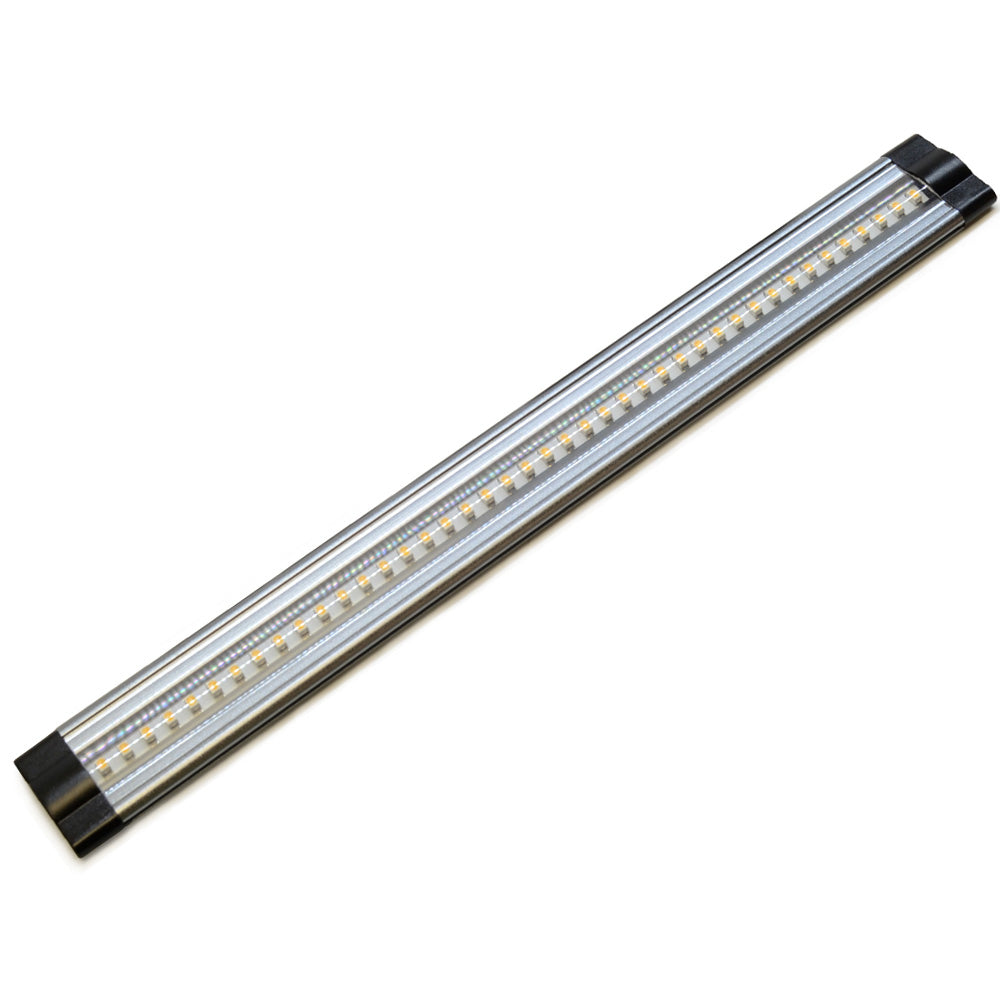
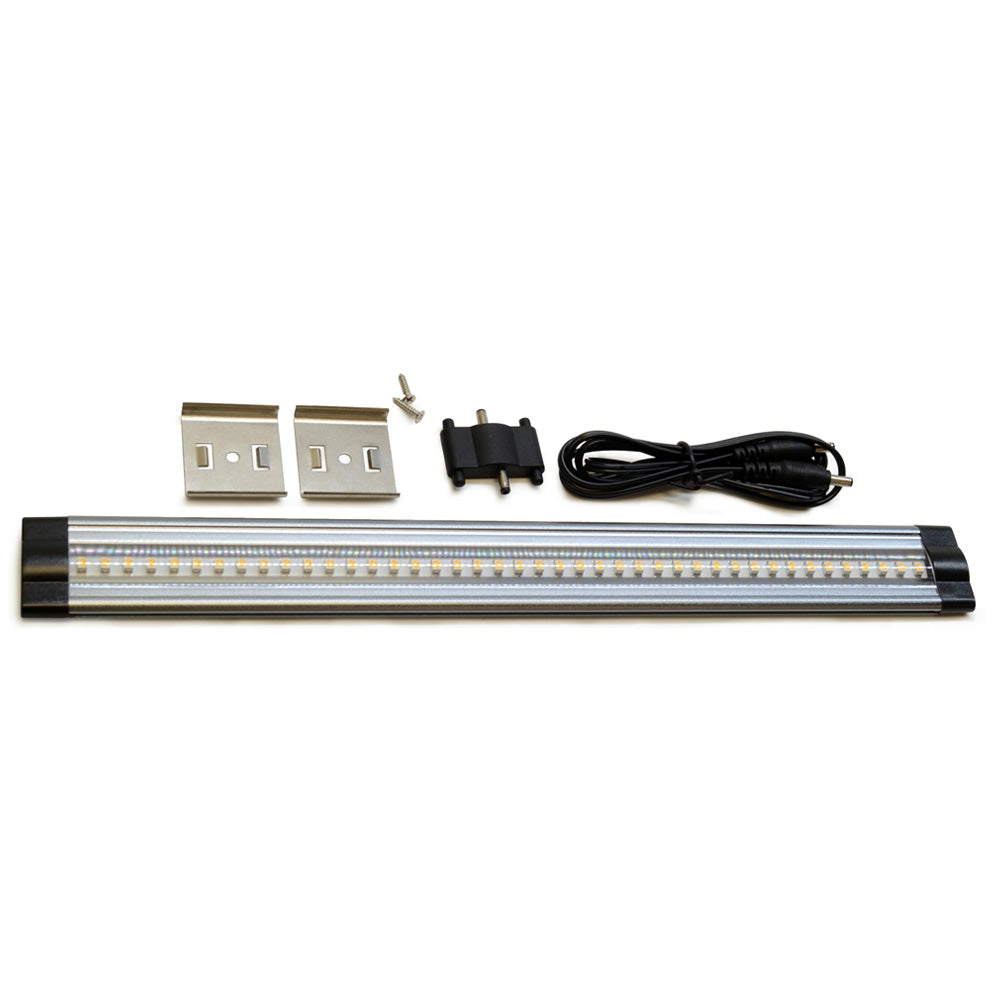
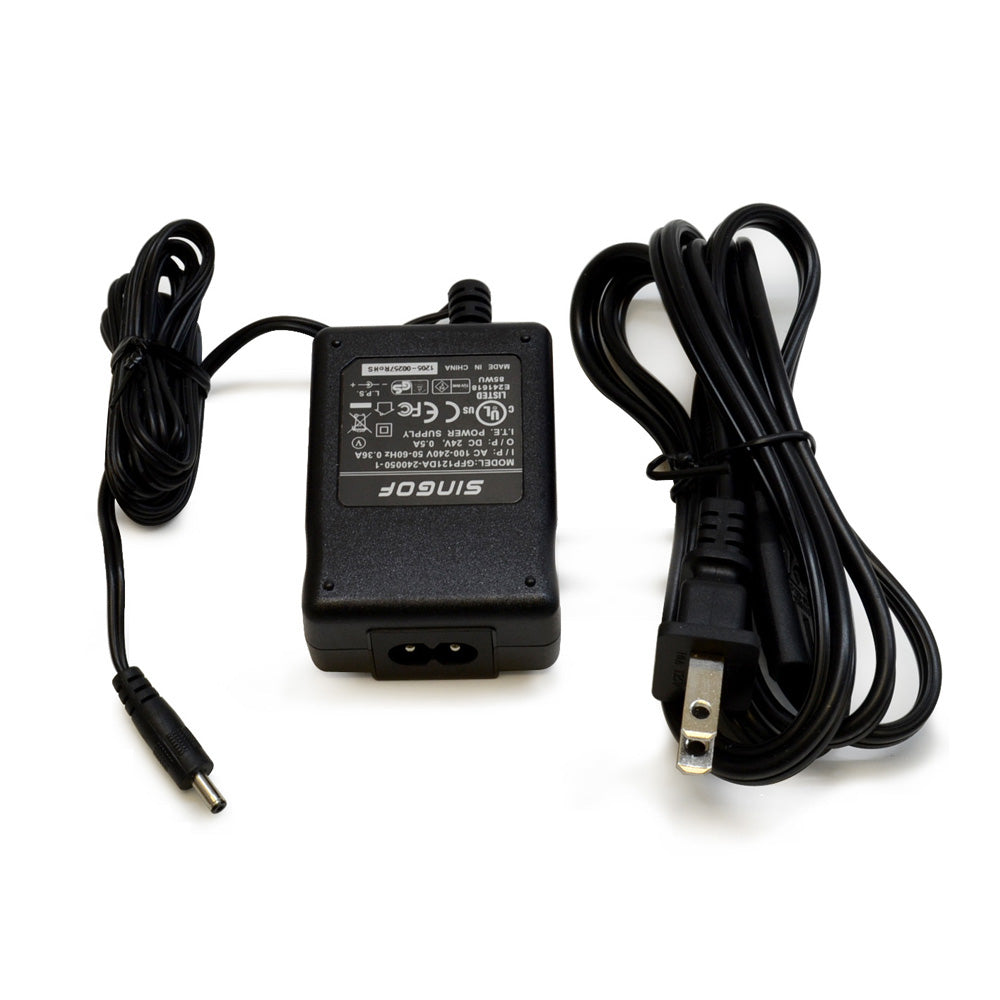
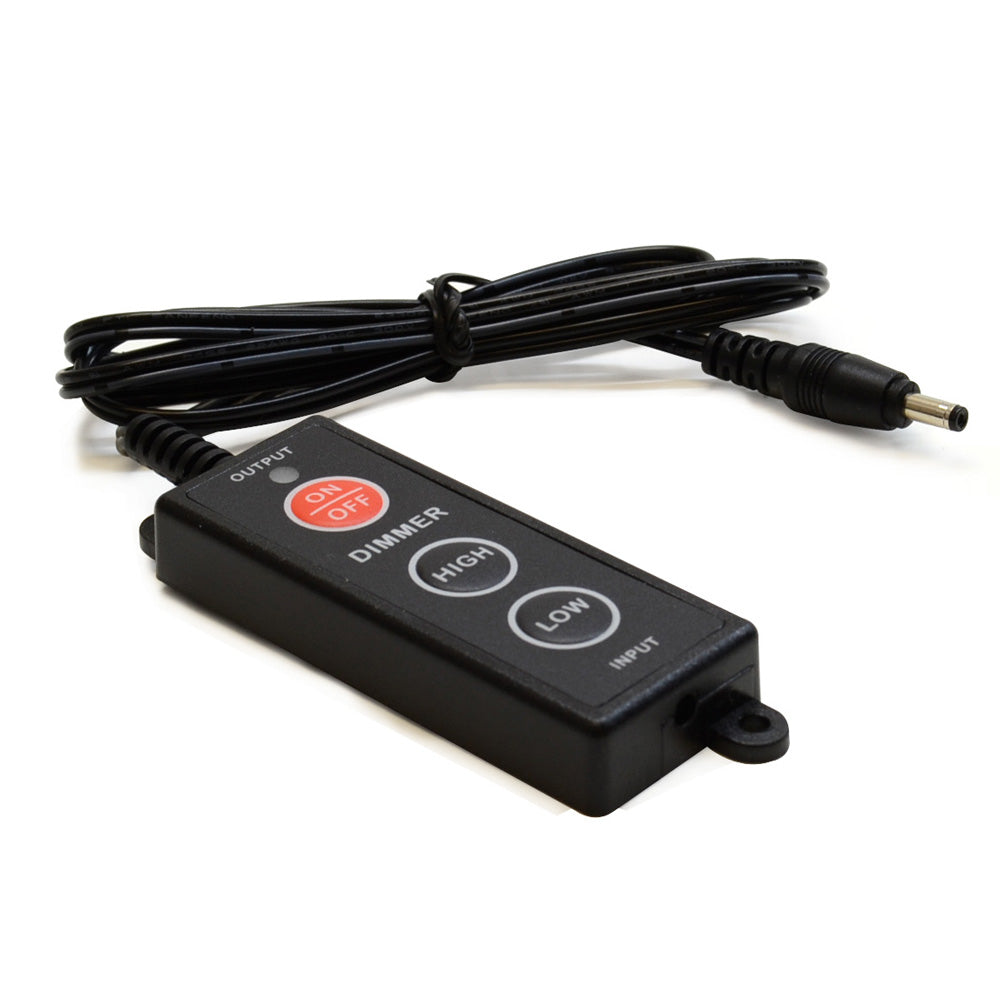
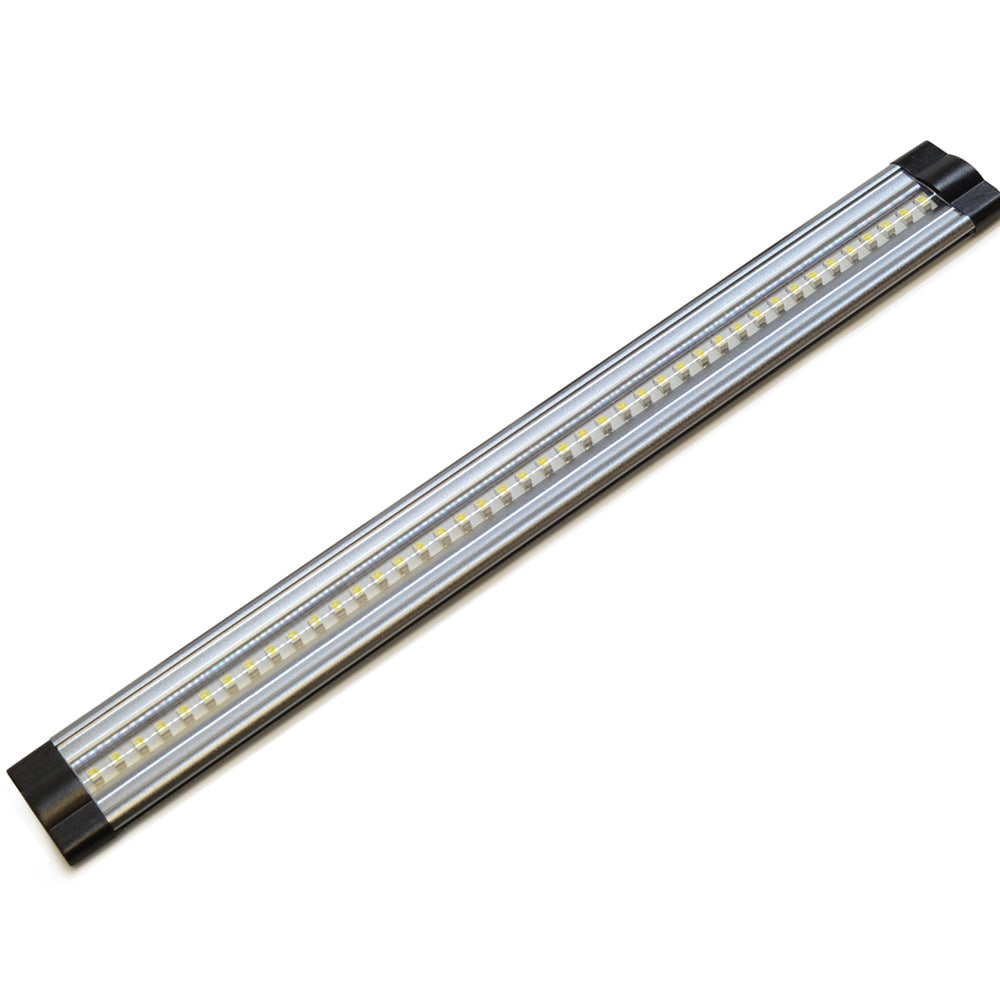
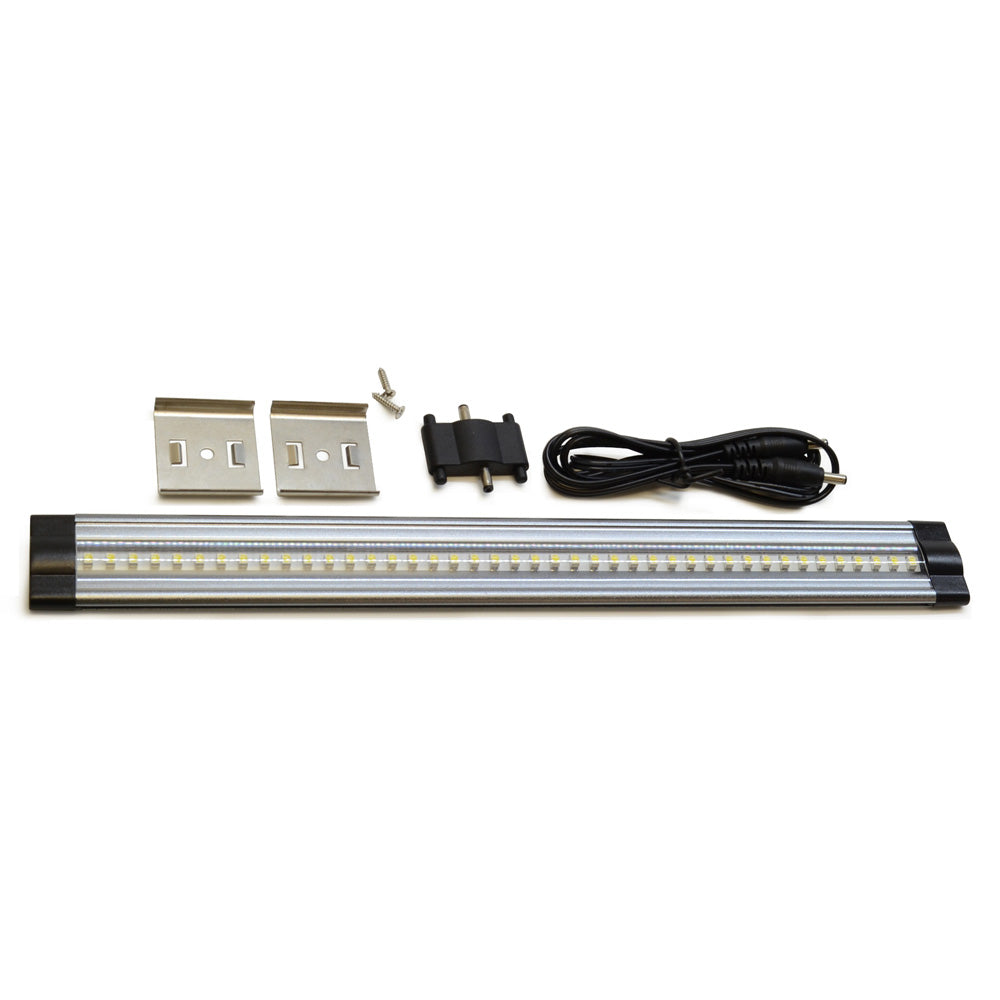
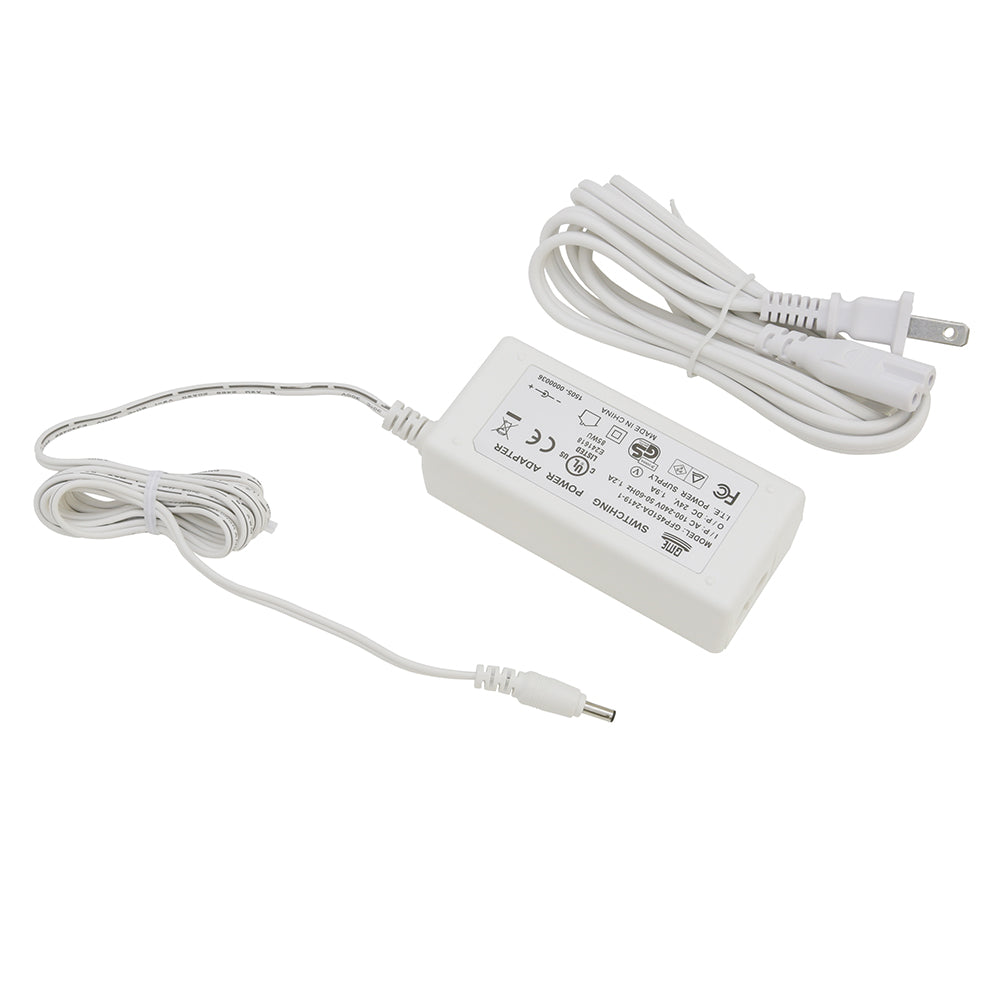
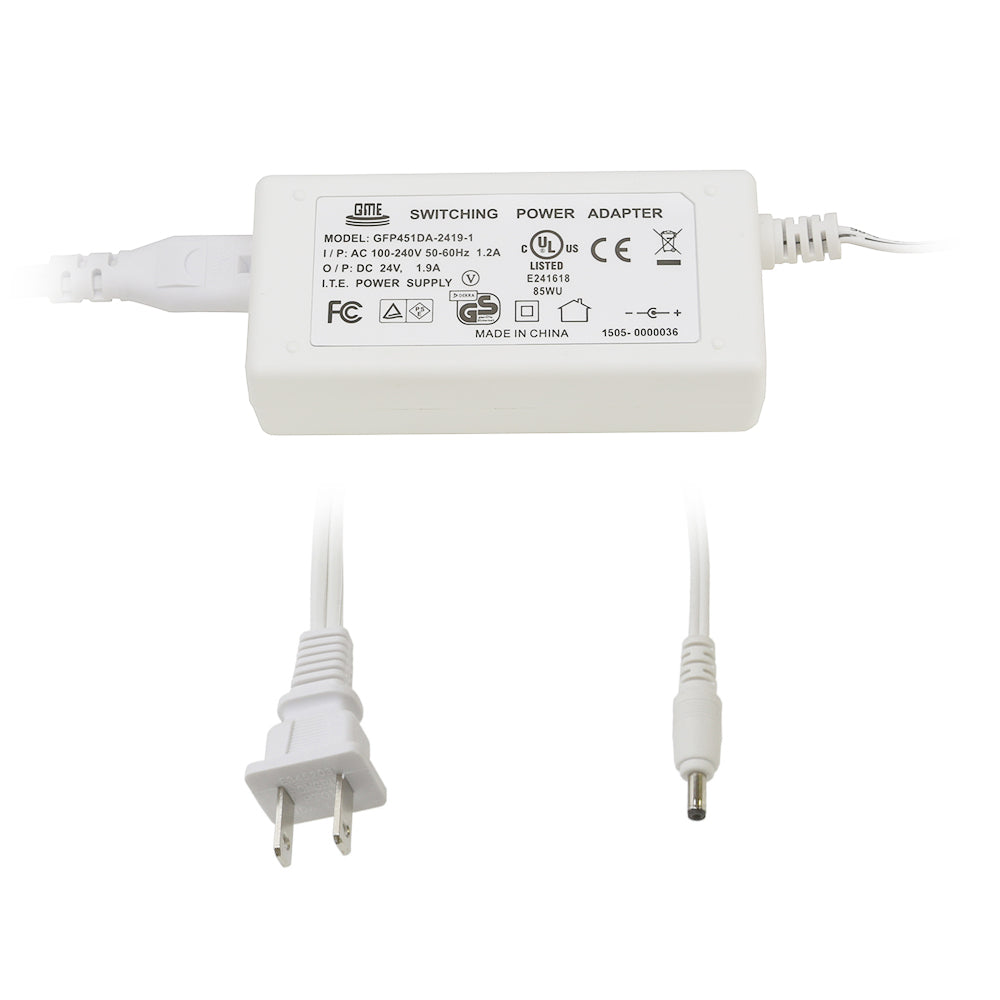
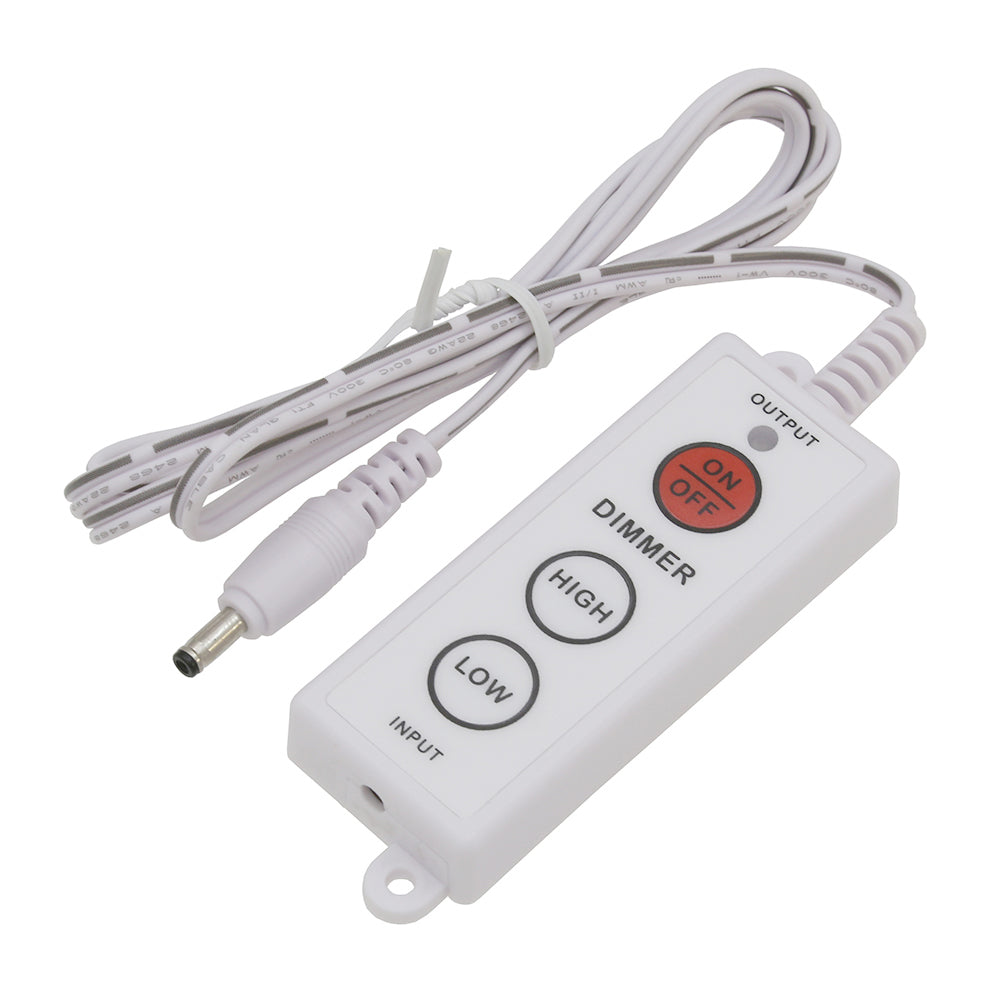
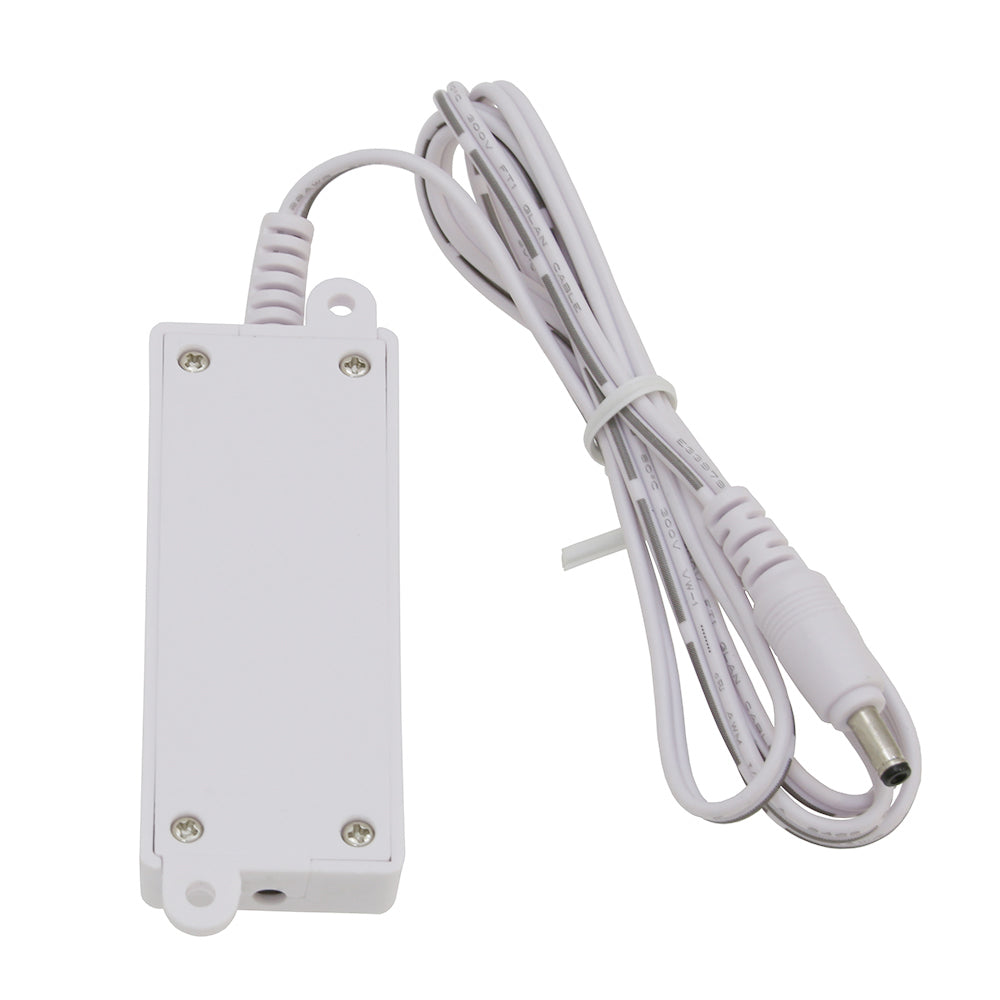
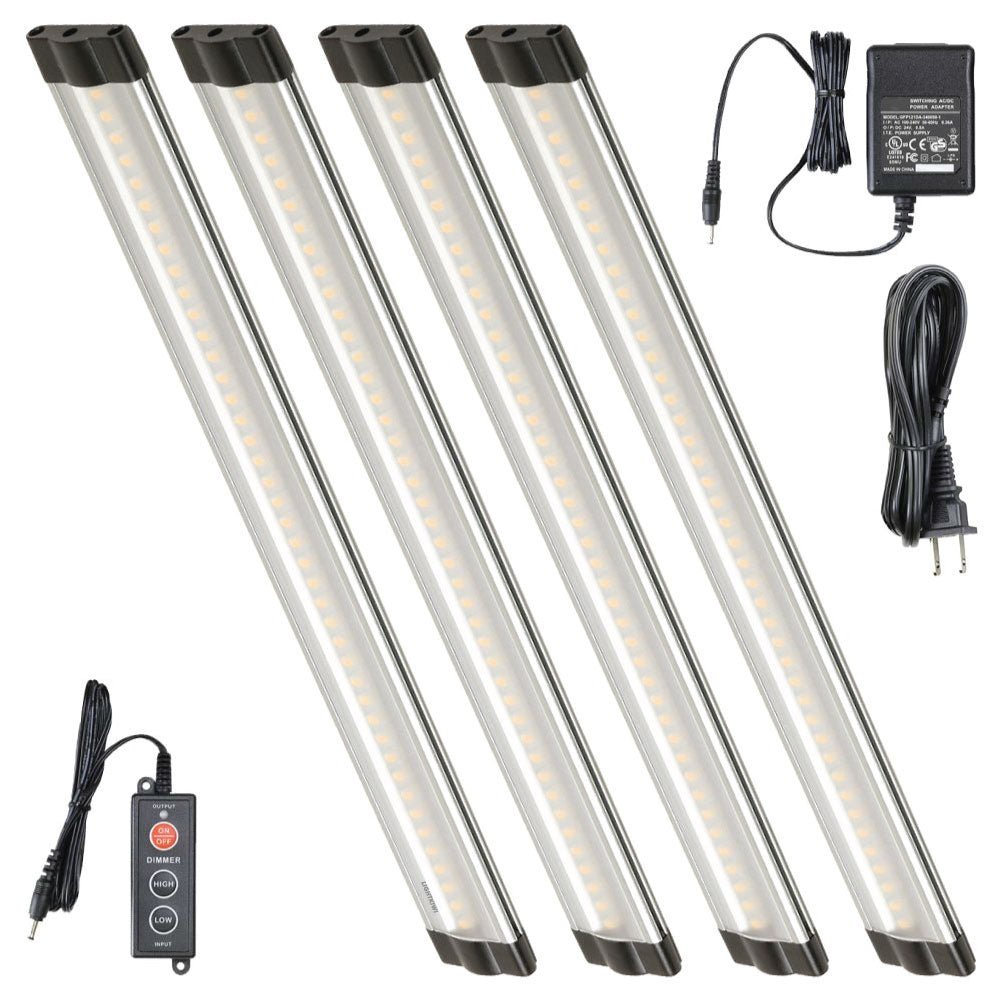
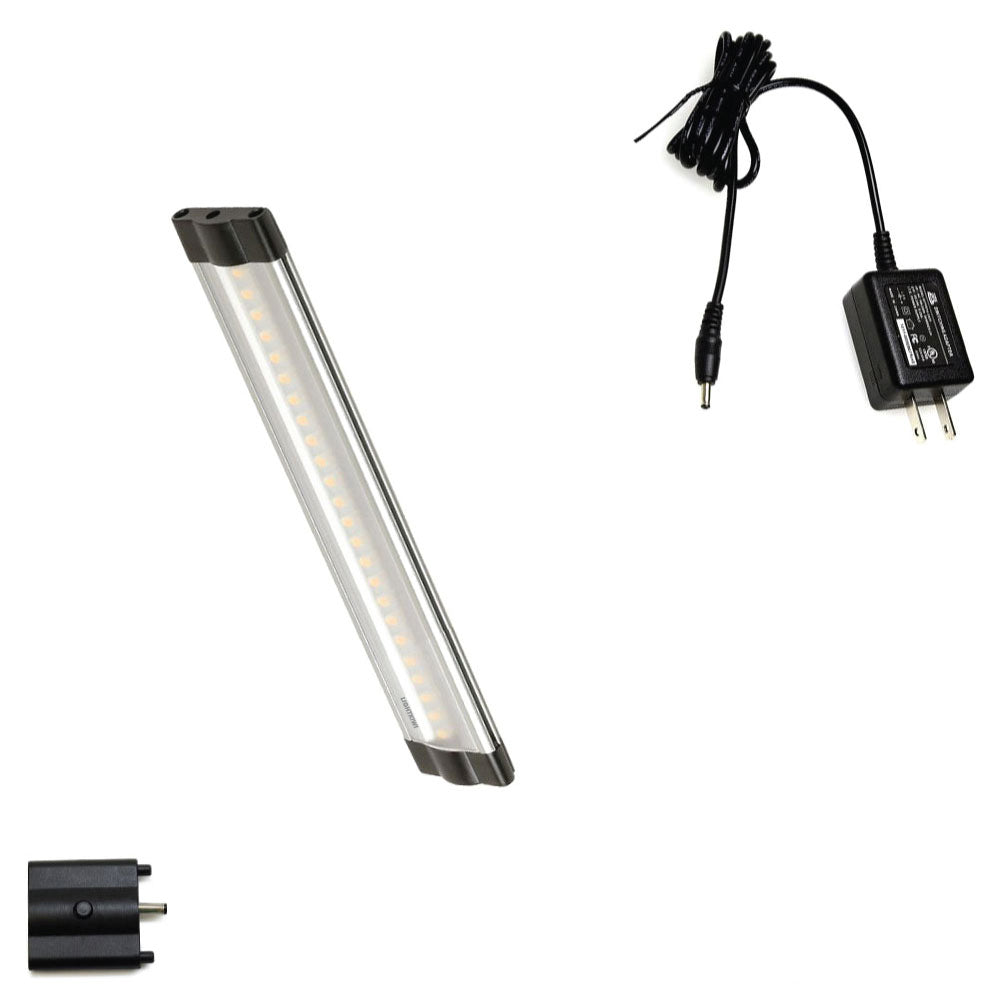
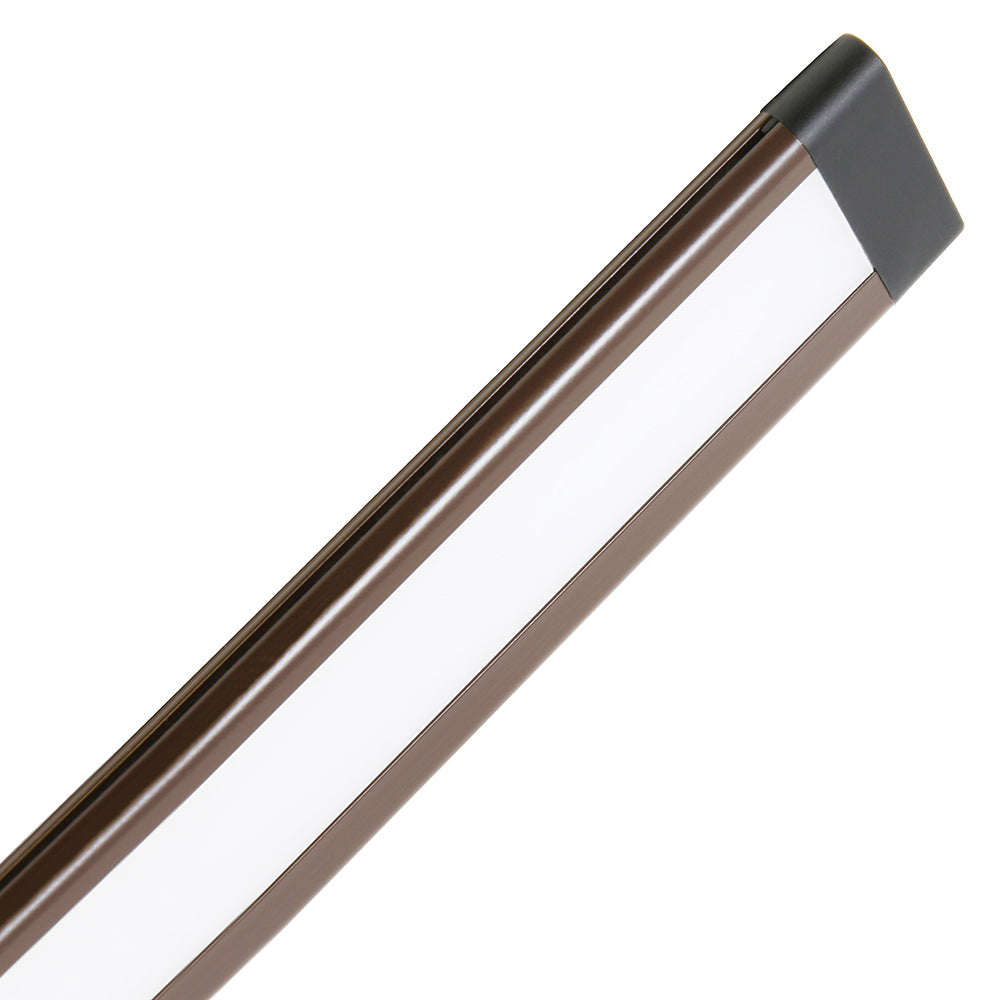
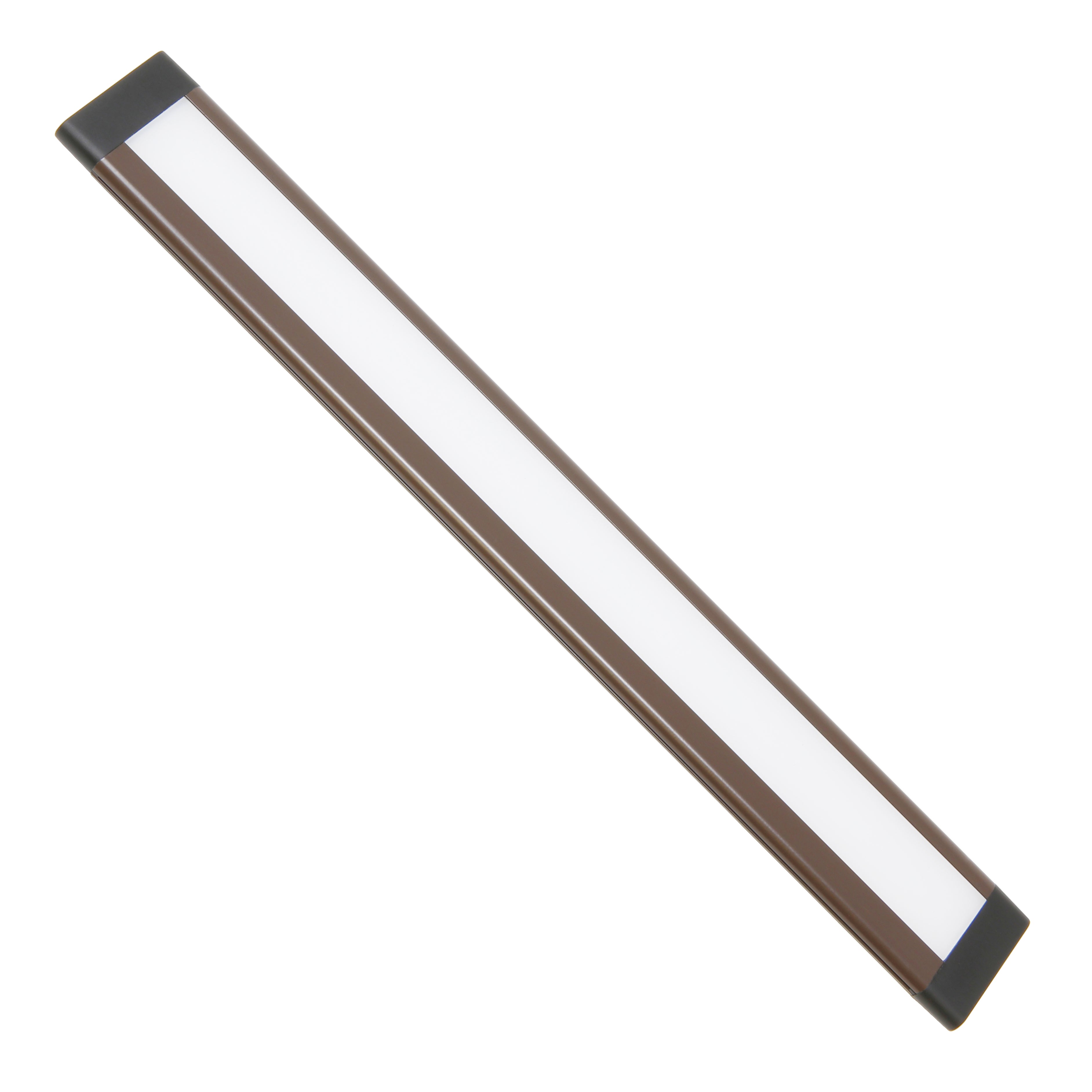
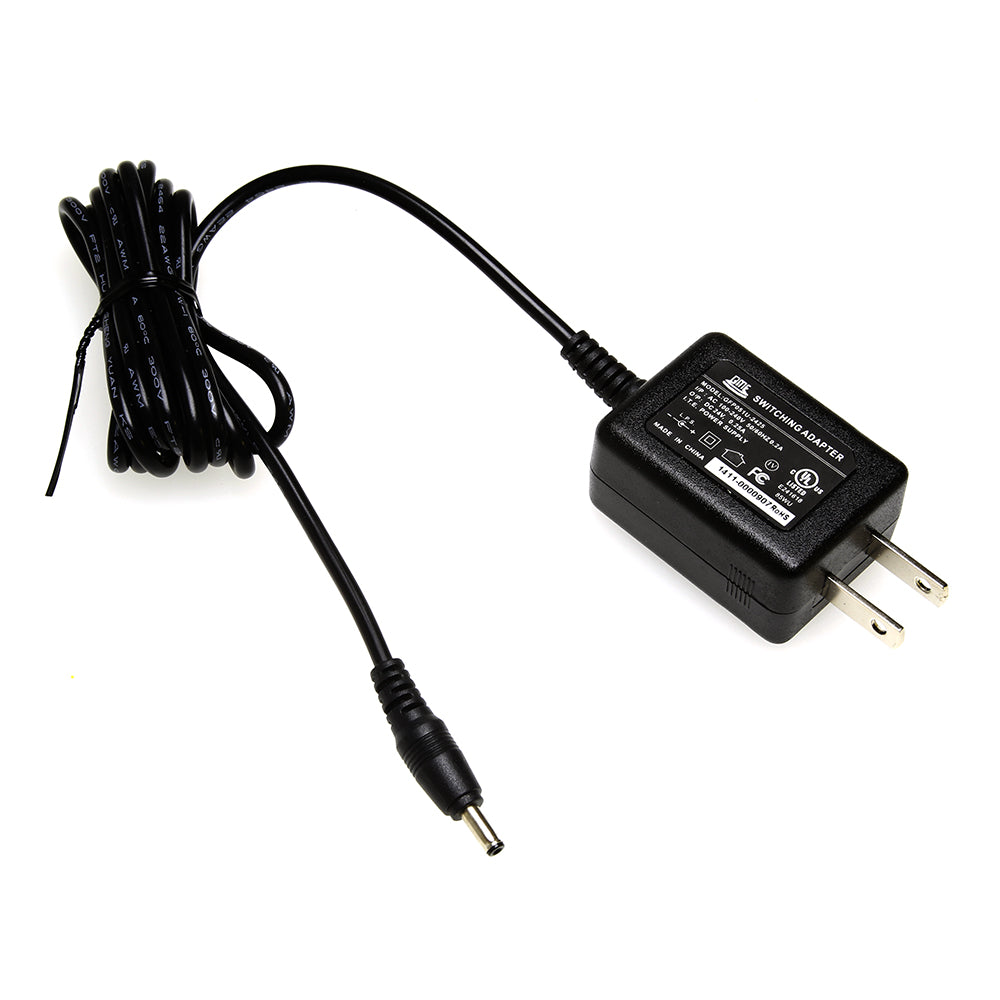
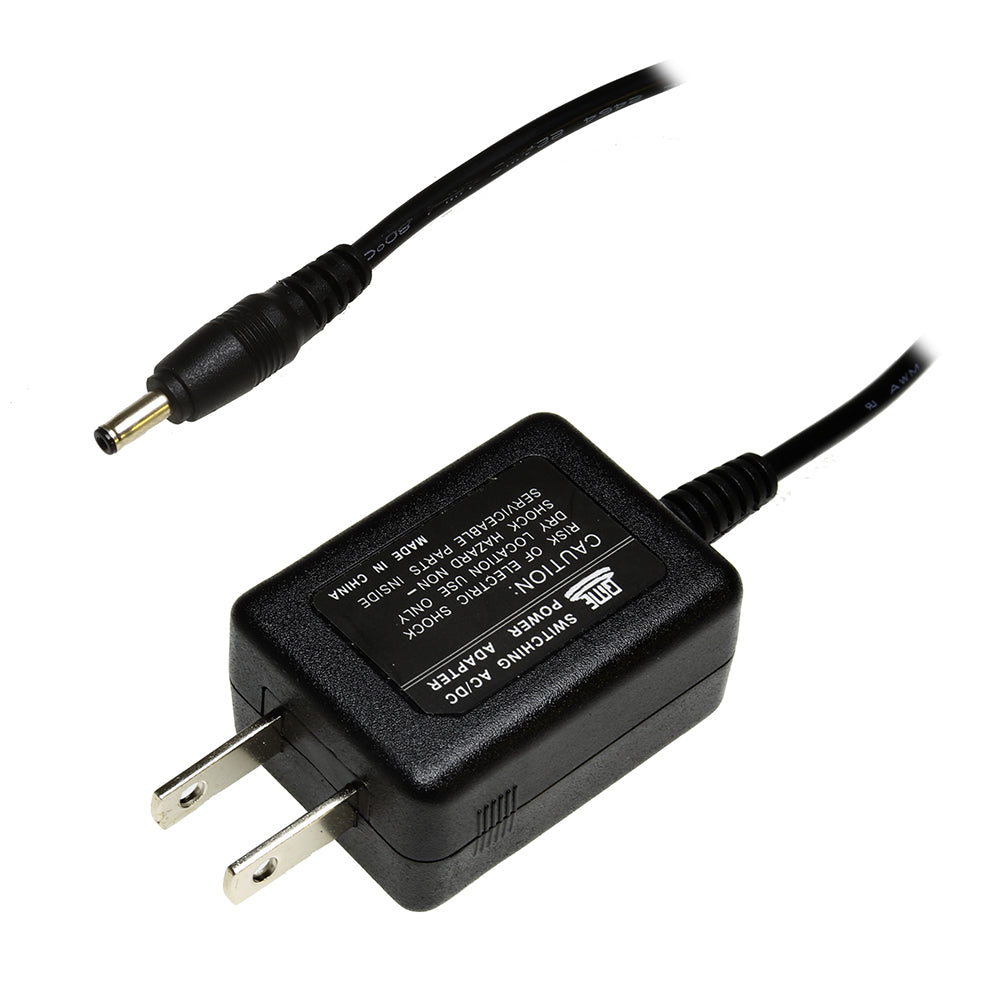
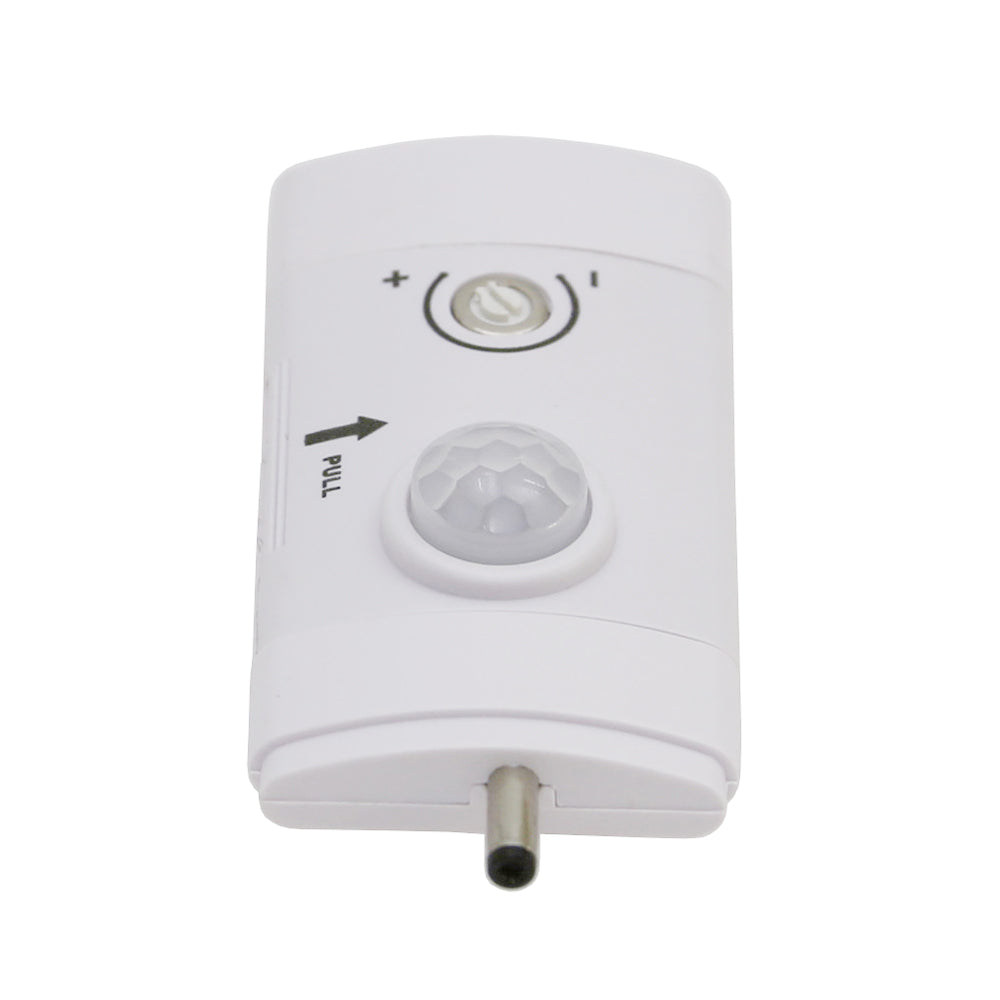
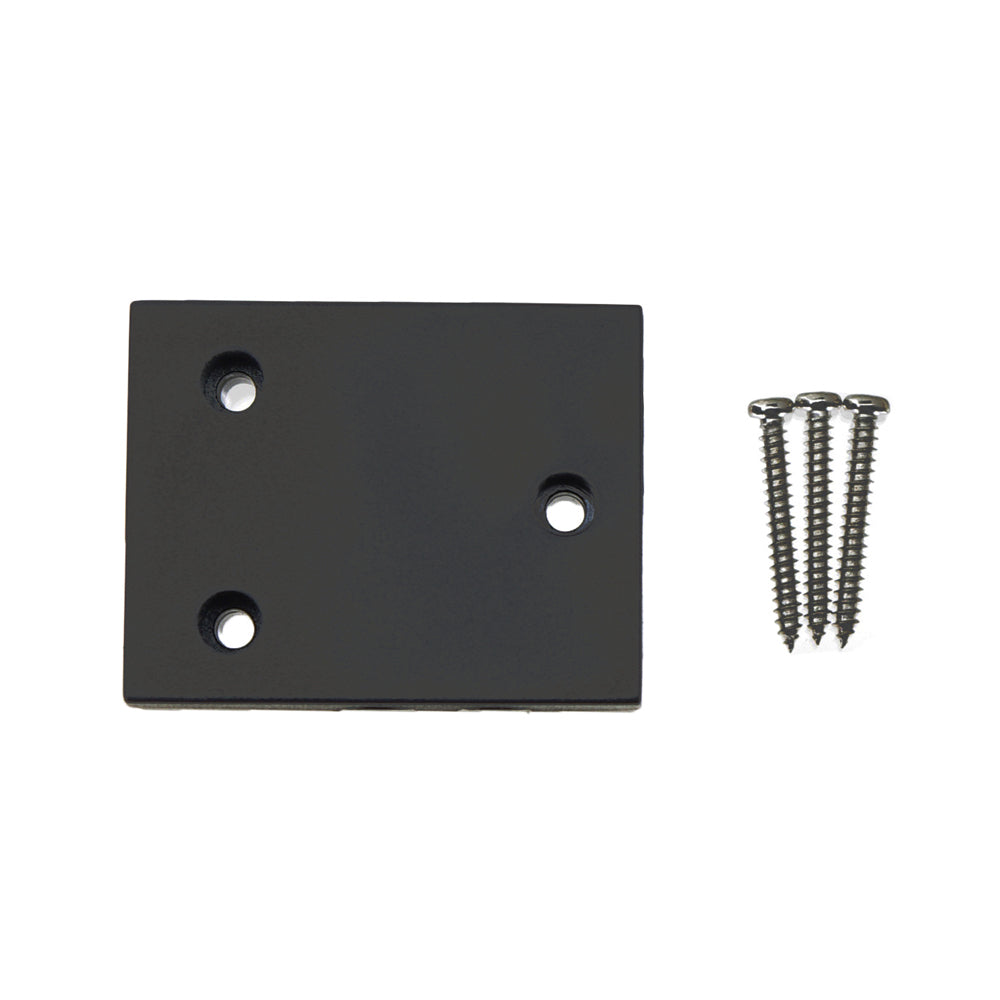
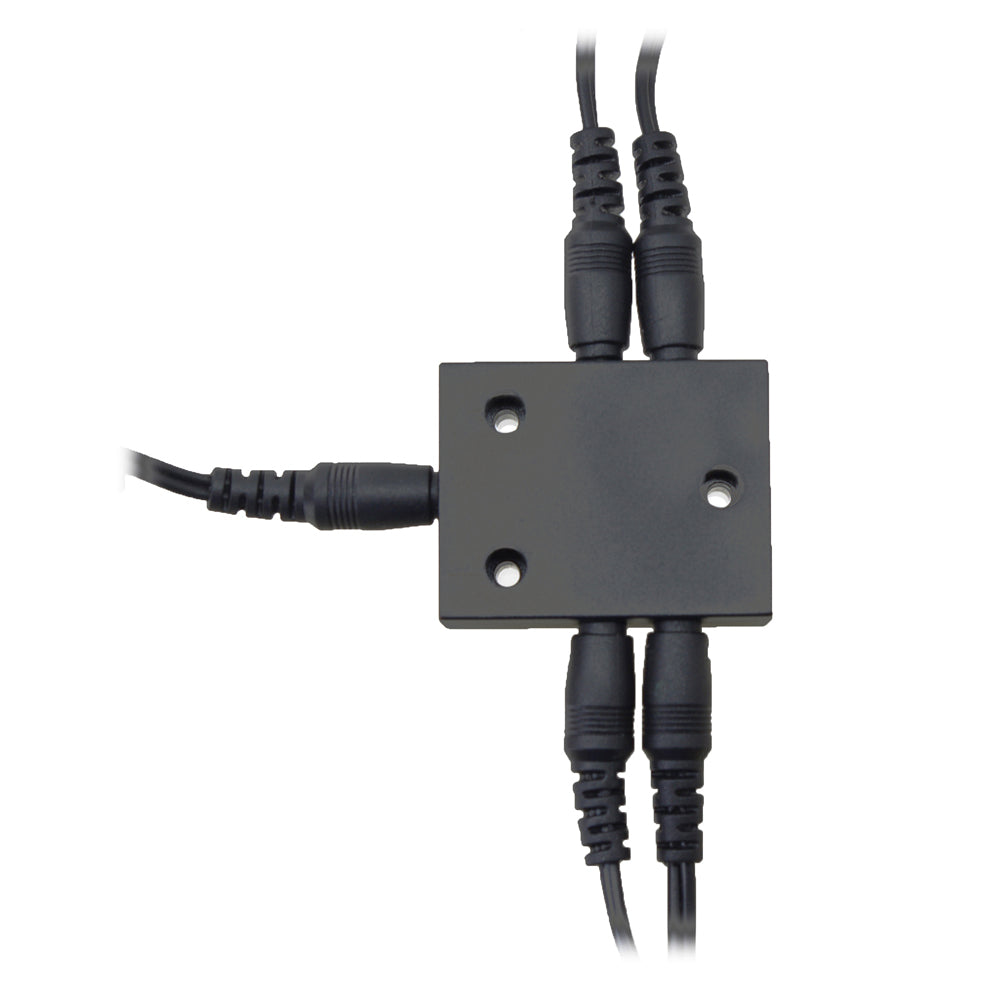
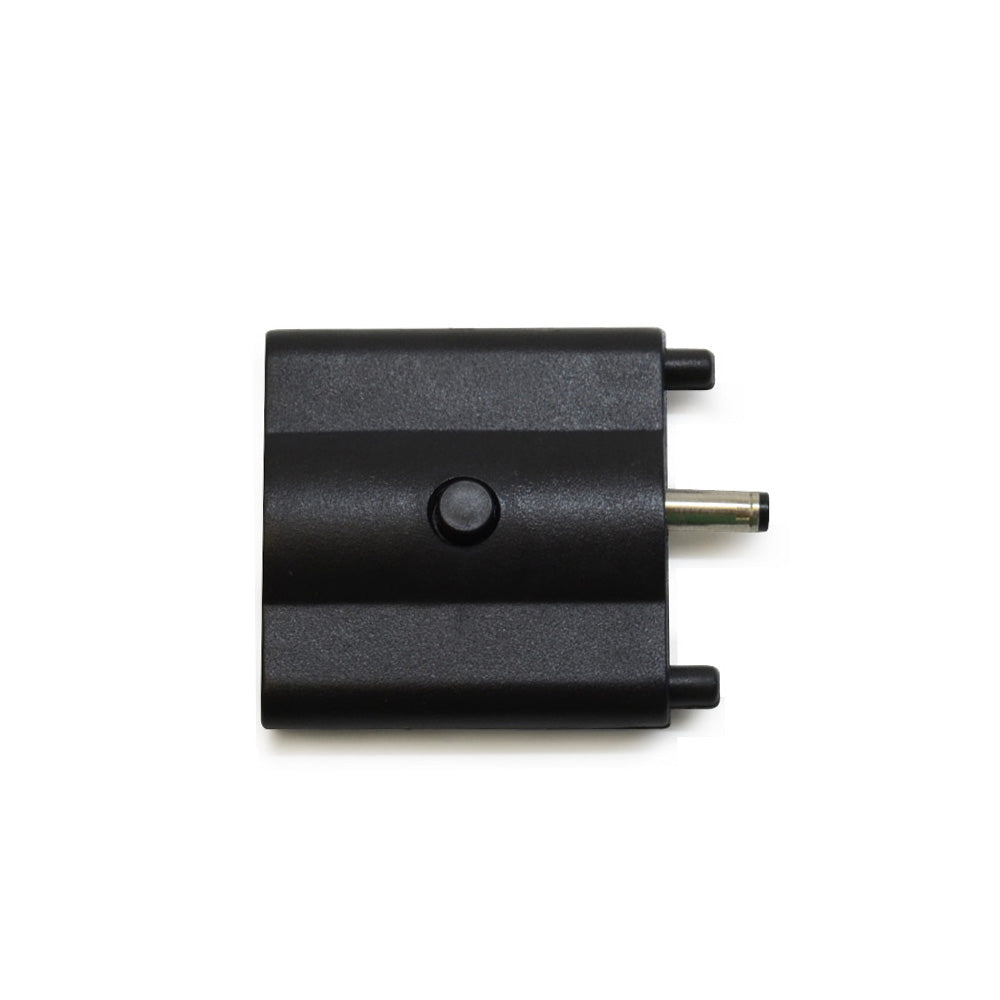
Lightkiwi's modular LED under cabinet lighting system is designed for kitchens, bathrooms, workshops, and any space where bright, even task lighting makes a difference. Choose from plug-in kits for a quick no-electrician install, or hardwire kits for a completely cord-free built-in look. All panels are modular — link as many together as your space requires, and add accessories like motion sensors, dimmer switches,
and splitters at any time.
Types of Under Cabinet Lighting
Plug-In Kits (Complete Kits)
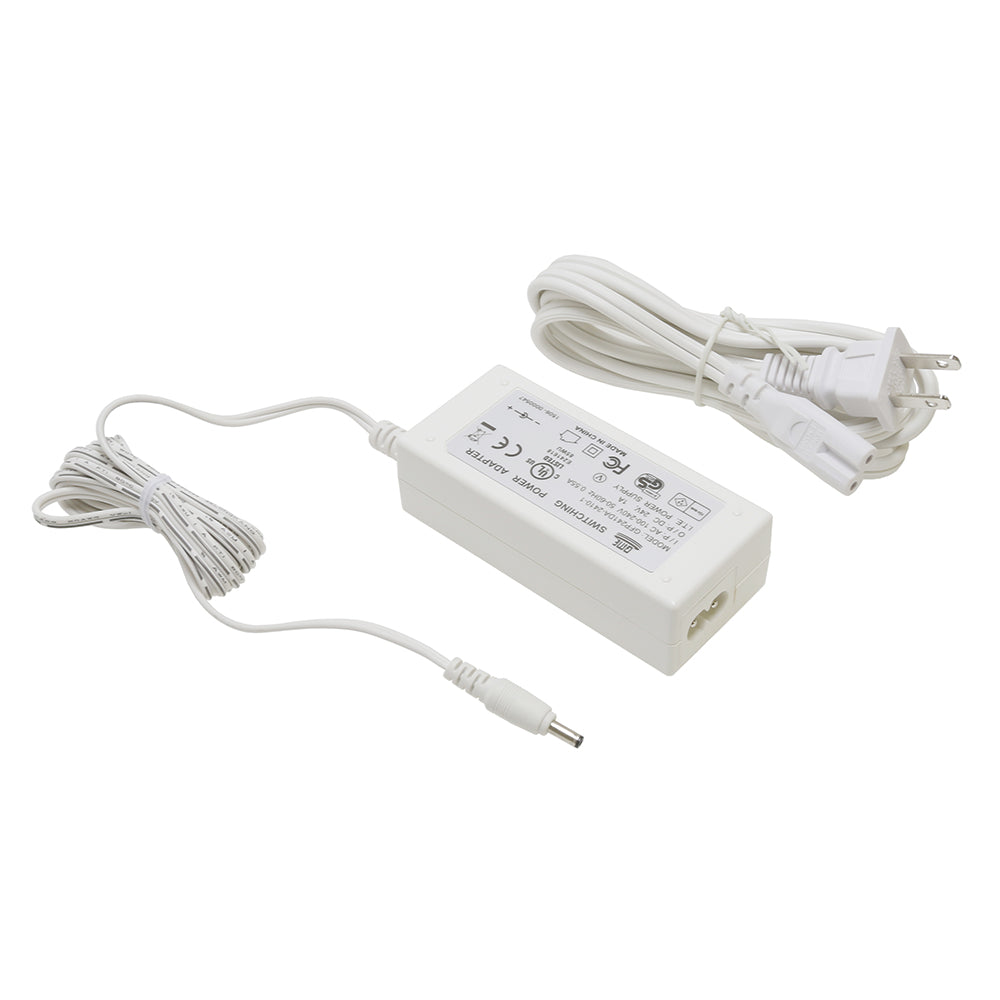
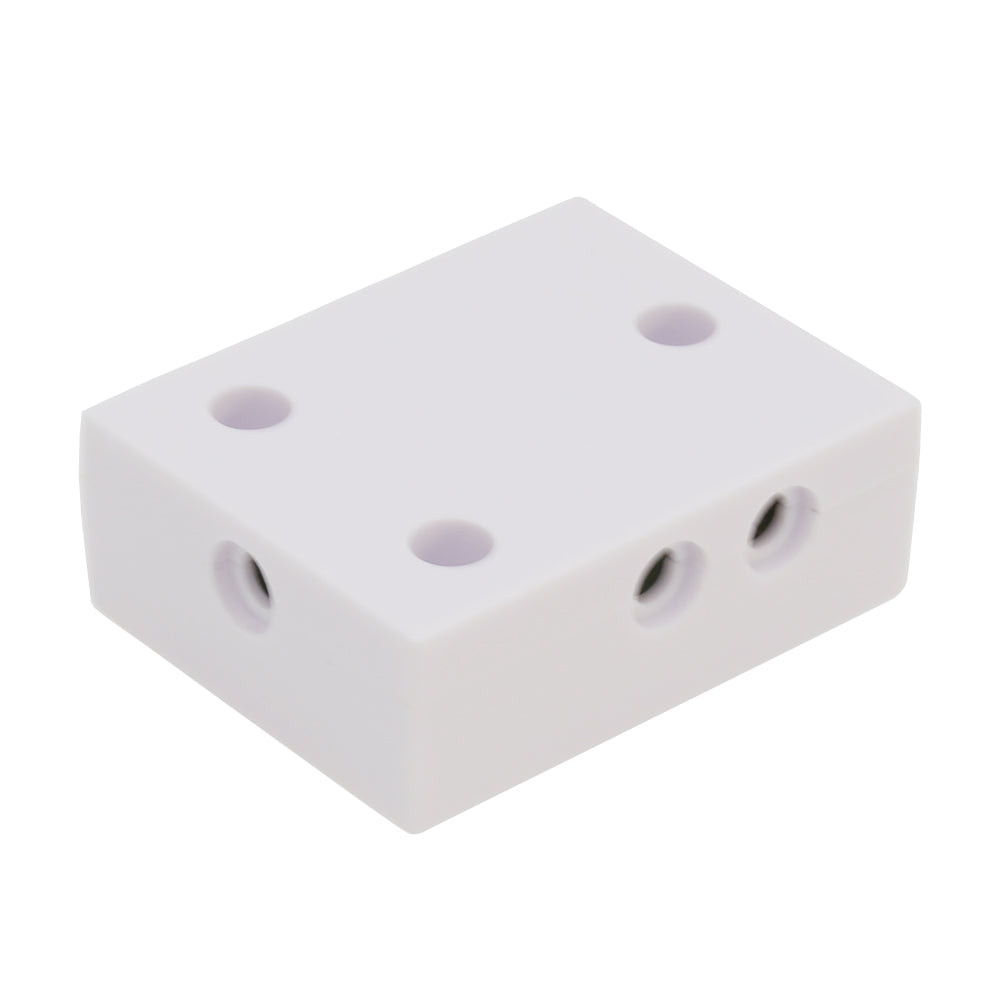
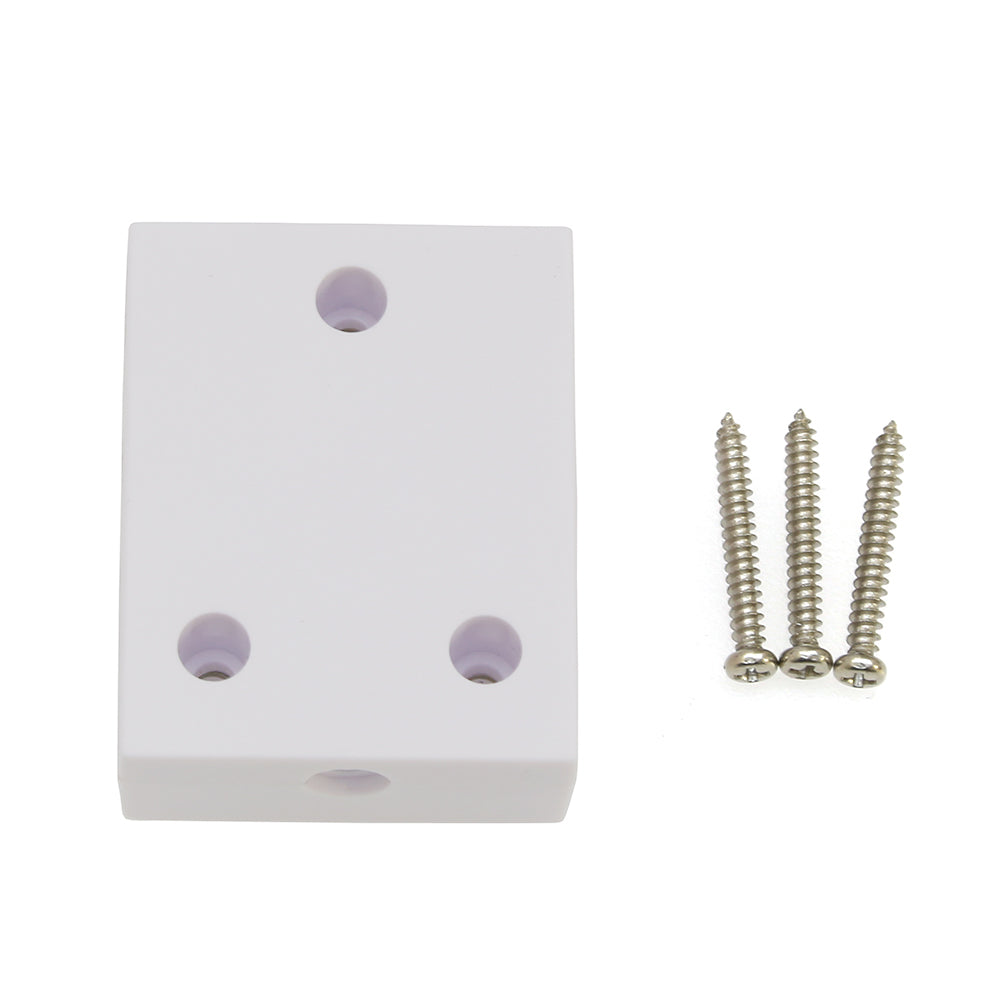
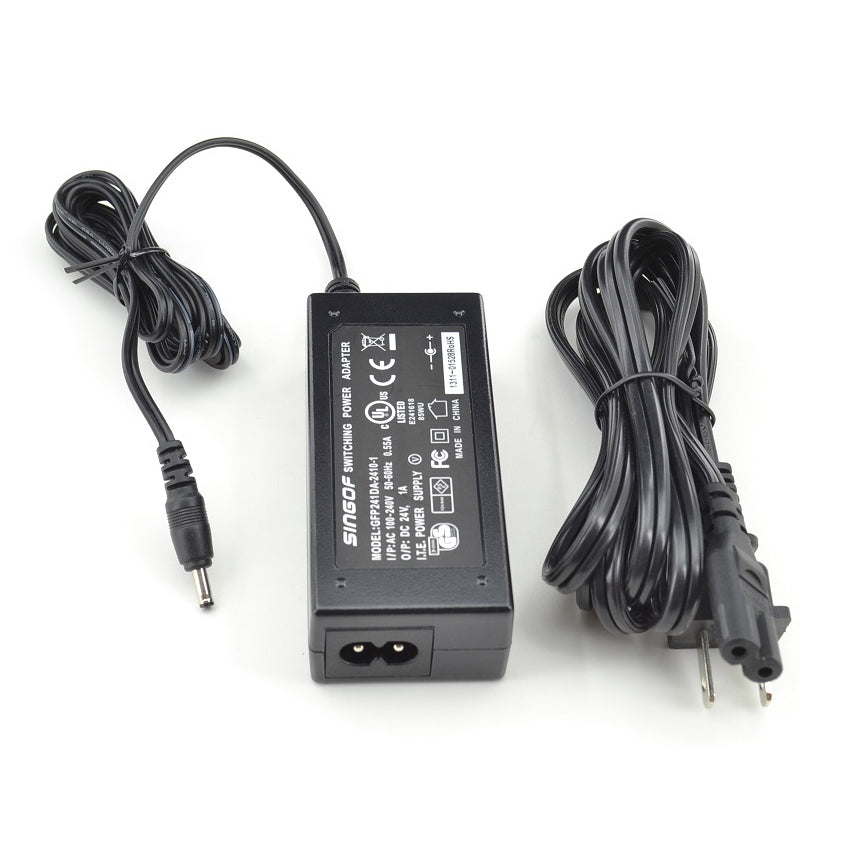
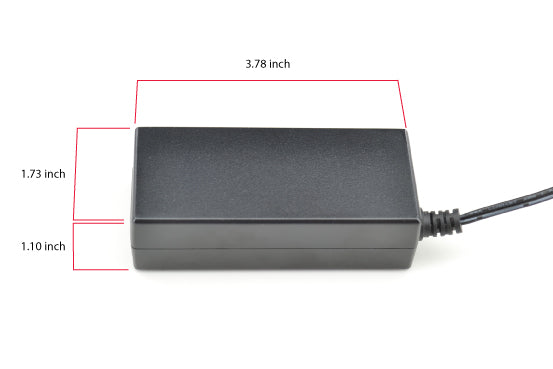
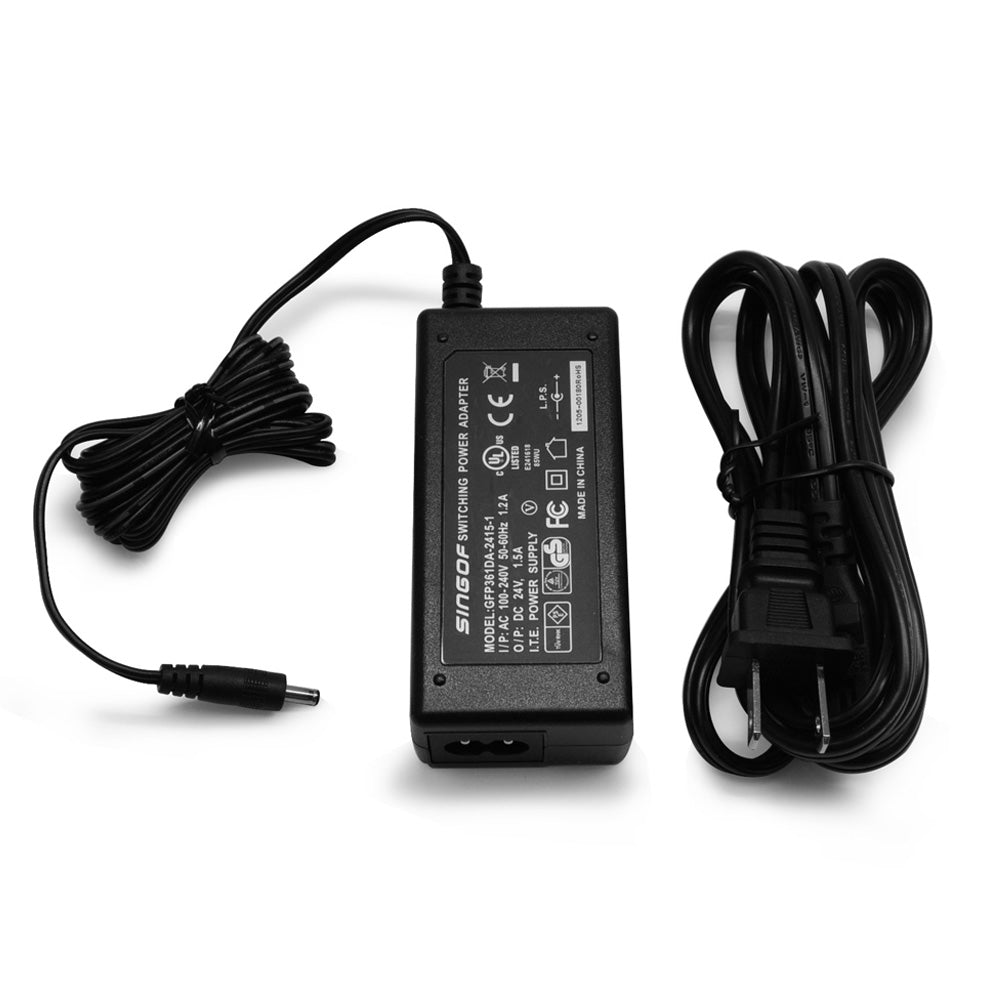
Everything in one box — LED panels, power supply with built-in dimmer switch, interconnect cables, and mounting hardware. Plugs into any standard 110V outlet. No electrician needed. Available in 1-panel Basic, 3-panel Premium, 4-panel Standard, and 9 & 12-panel Pro configurations. Best for renters, DIY installs, and anyone who wants a clean result without rewiring.
Hardwire Kits
Connect directly to your home's wiring for a completely cord-free finish — no outlet, no visible power supply, no cord running to a plug. Includes a dimmable transformer compatible with standard magnetic low voltage wall dimmer switches. Available in 50W and 100W. Best for remodels, new construction, and installs where a built-in look is
the priority. Requires a licensed electrician for the line-voltage connection.
Individual LED Panels
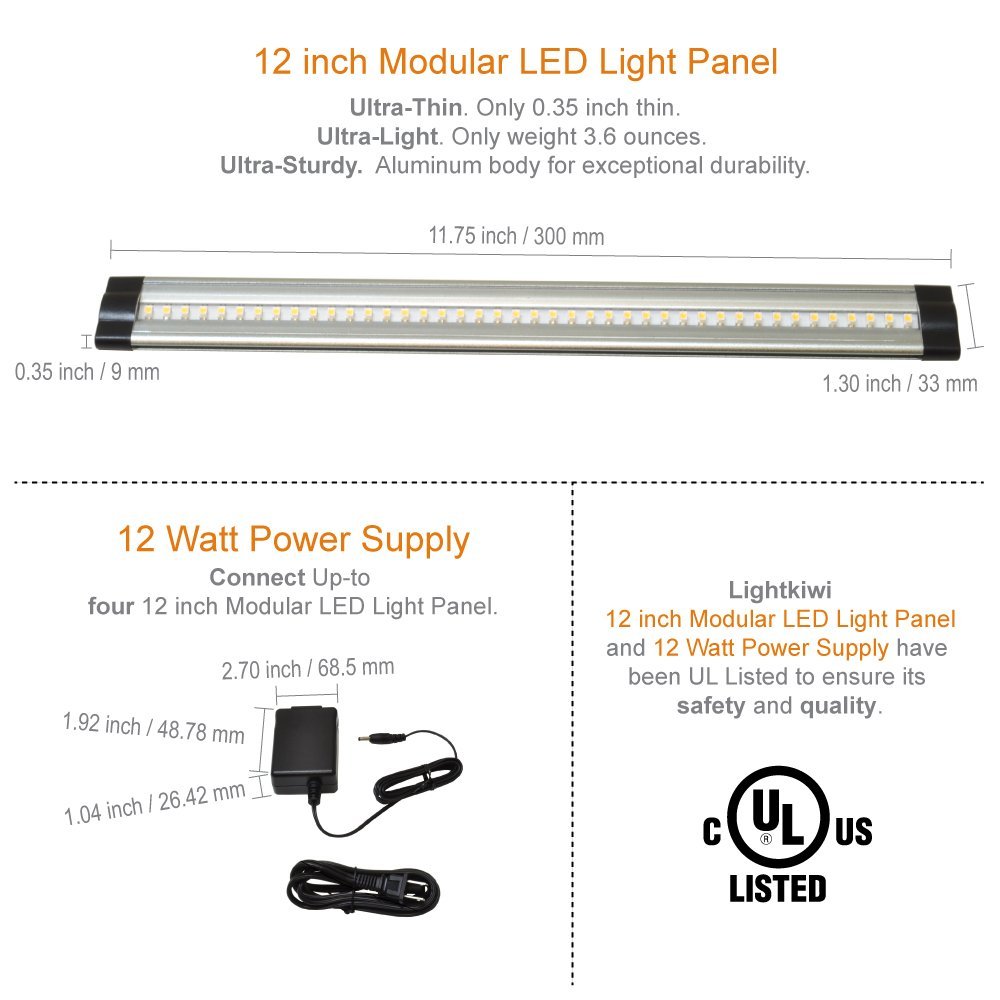
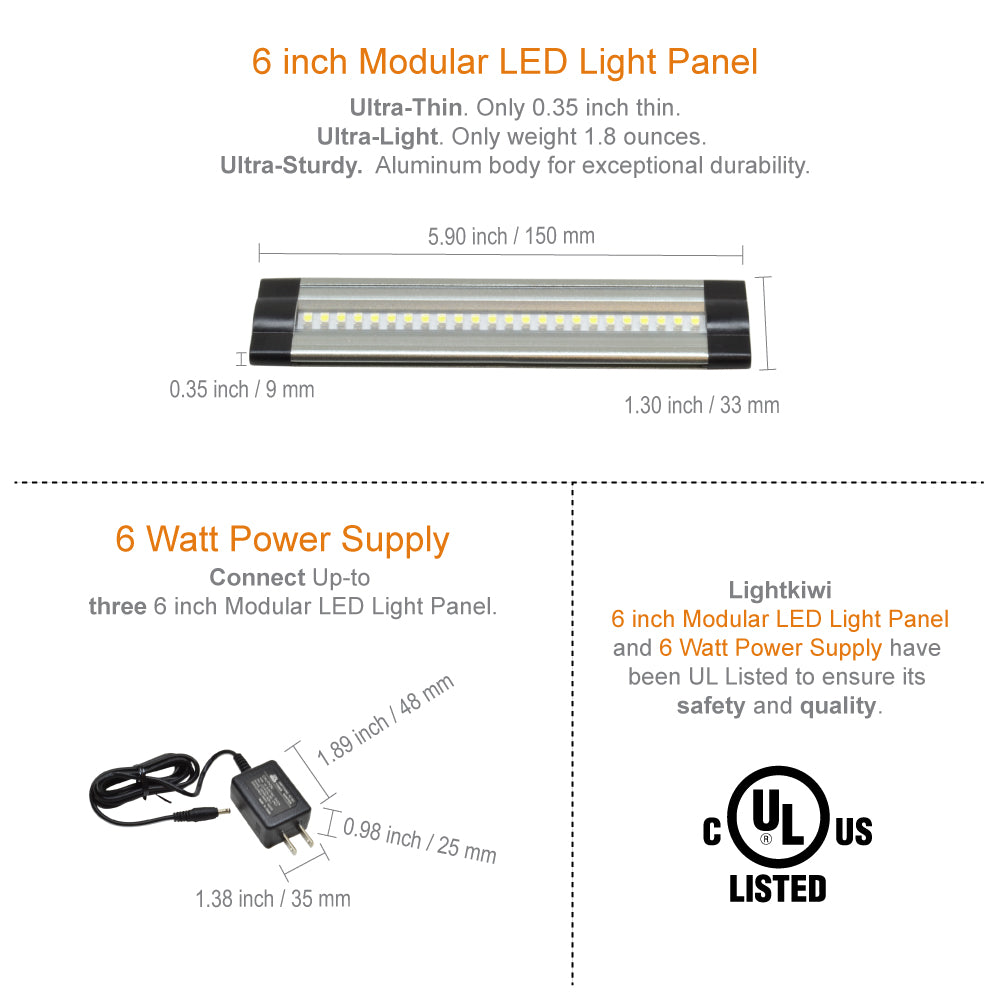
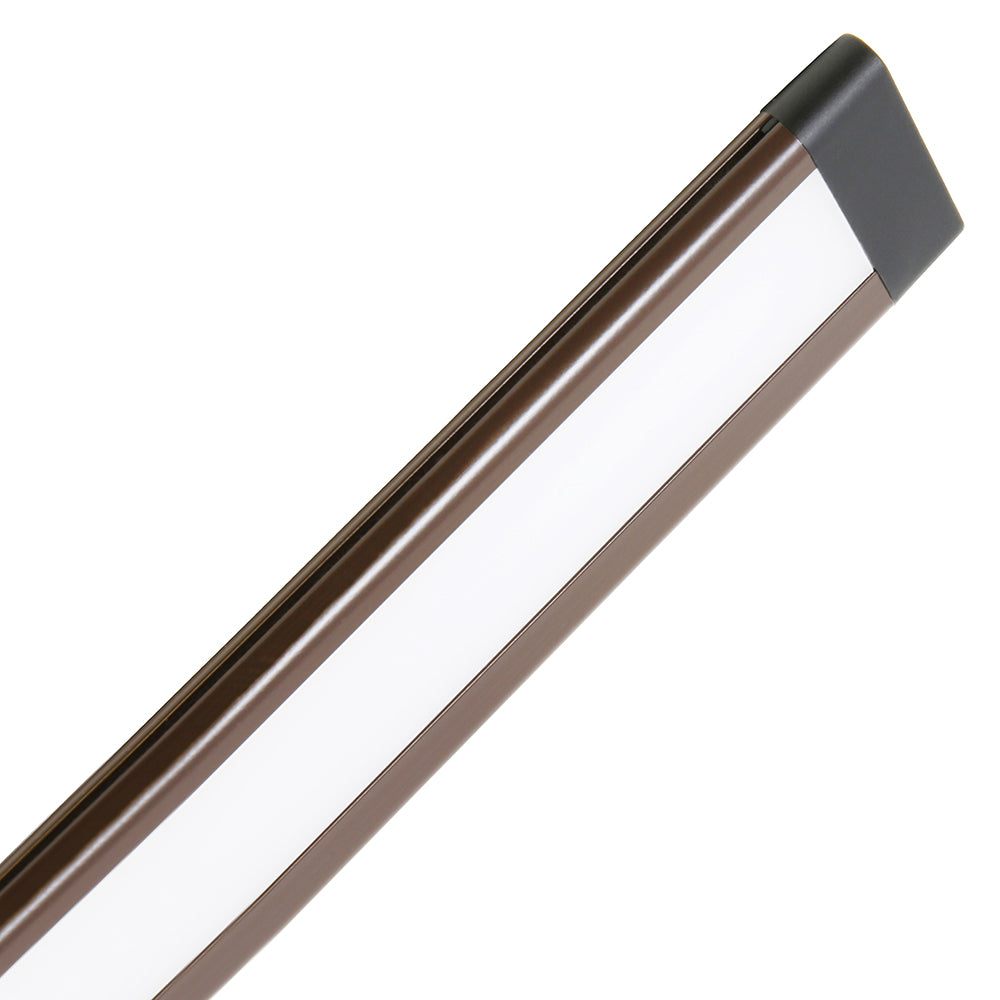
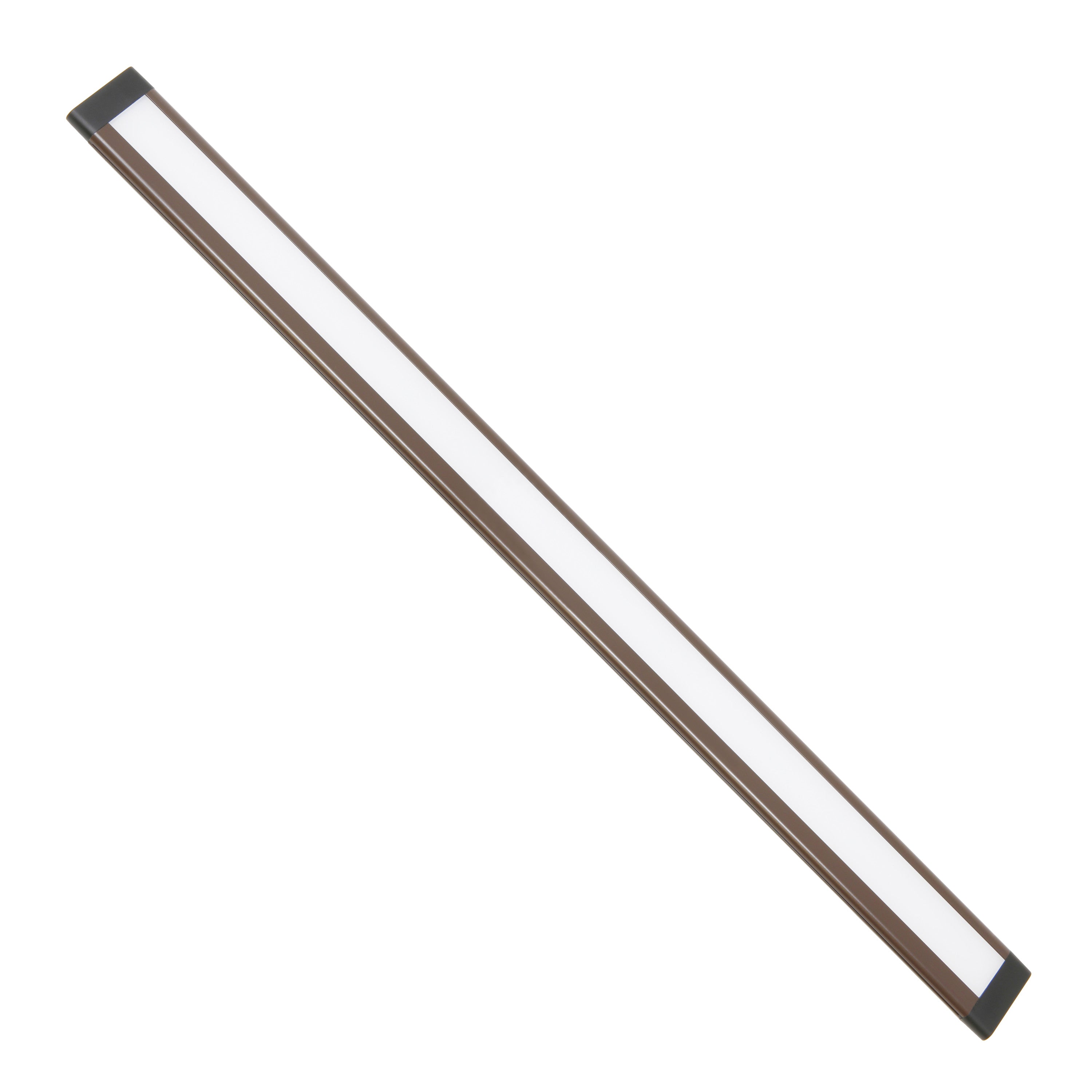
Add panels to an existing Lightkiwi system, replace a panel, or build a custom configuration. Available in 6-inch, 12-inch, and 20-inch lengths in warm white (3000K) and cool white (4000K). Compatible with all Lightkiwi power supplies and accessories.
Motion Sensors & Accessories
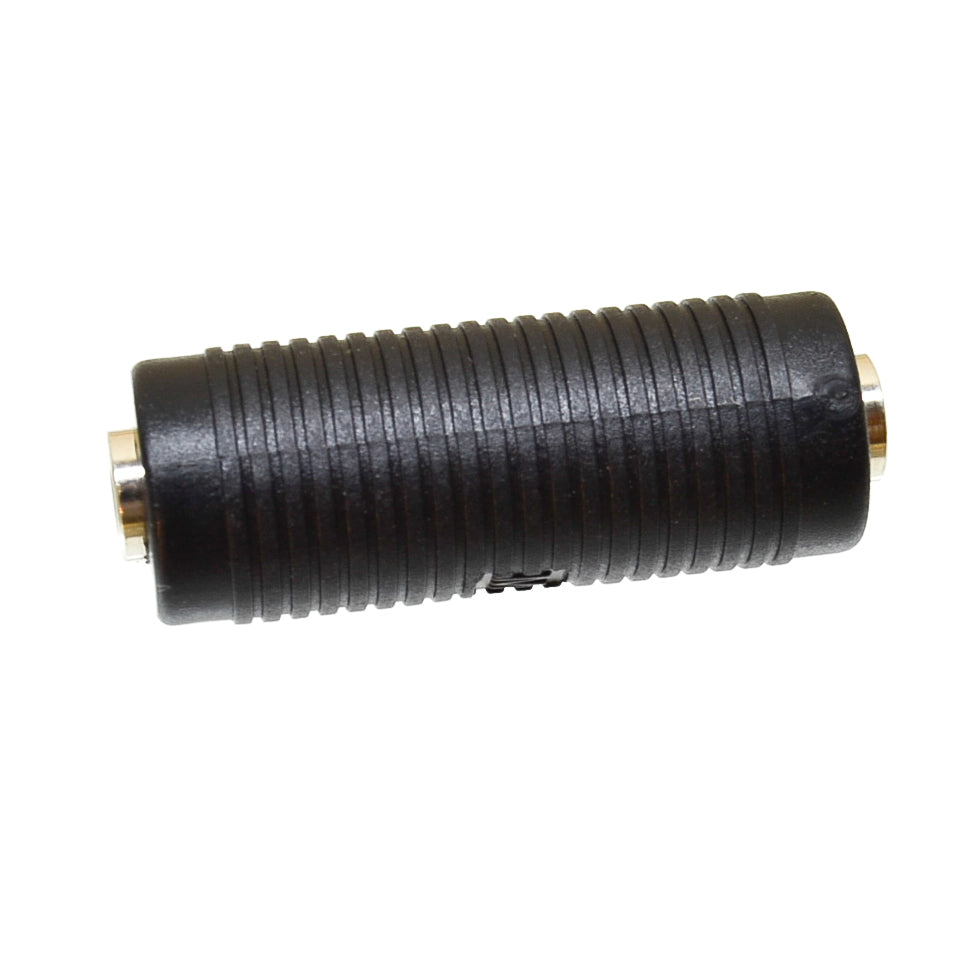
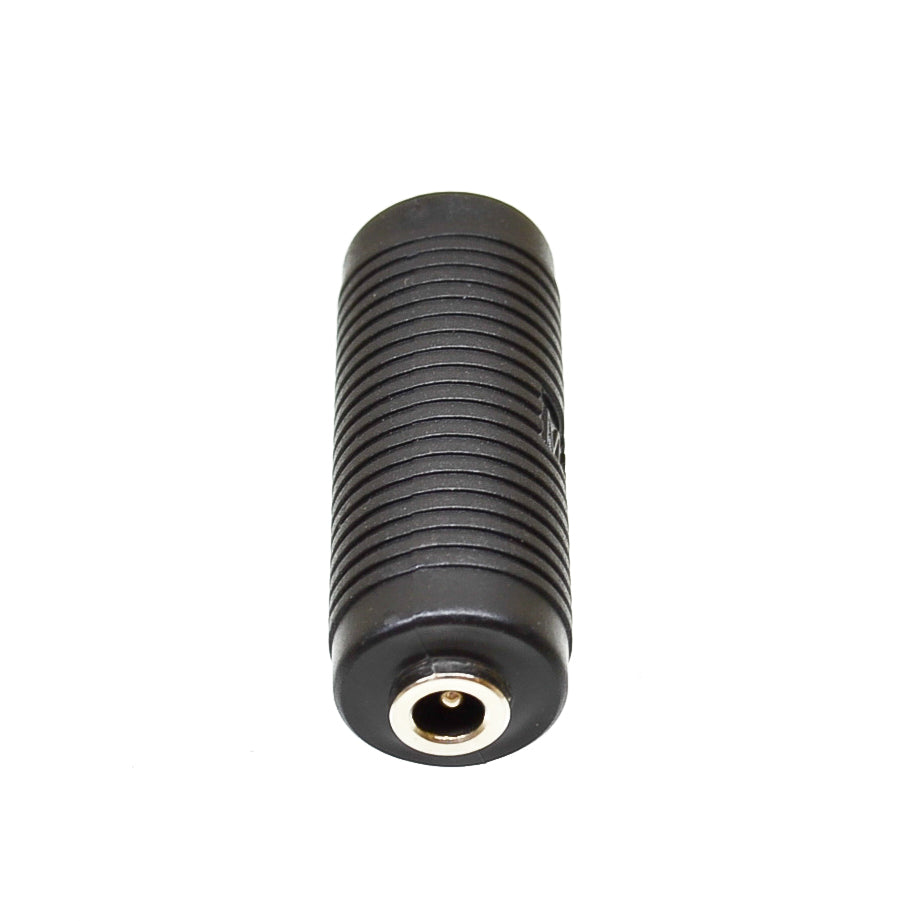
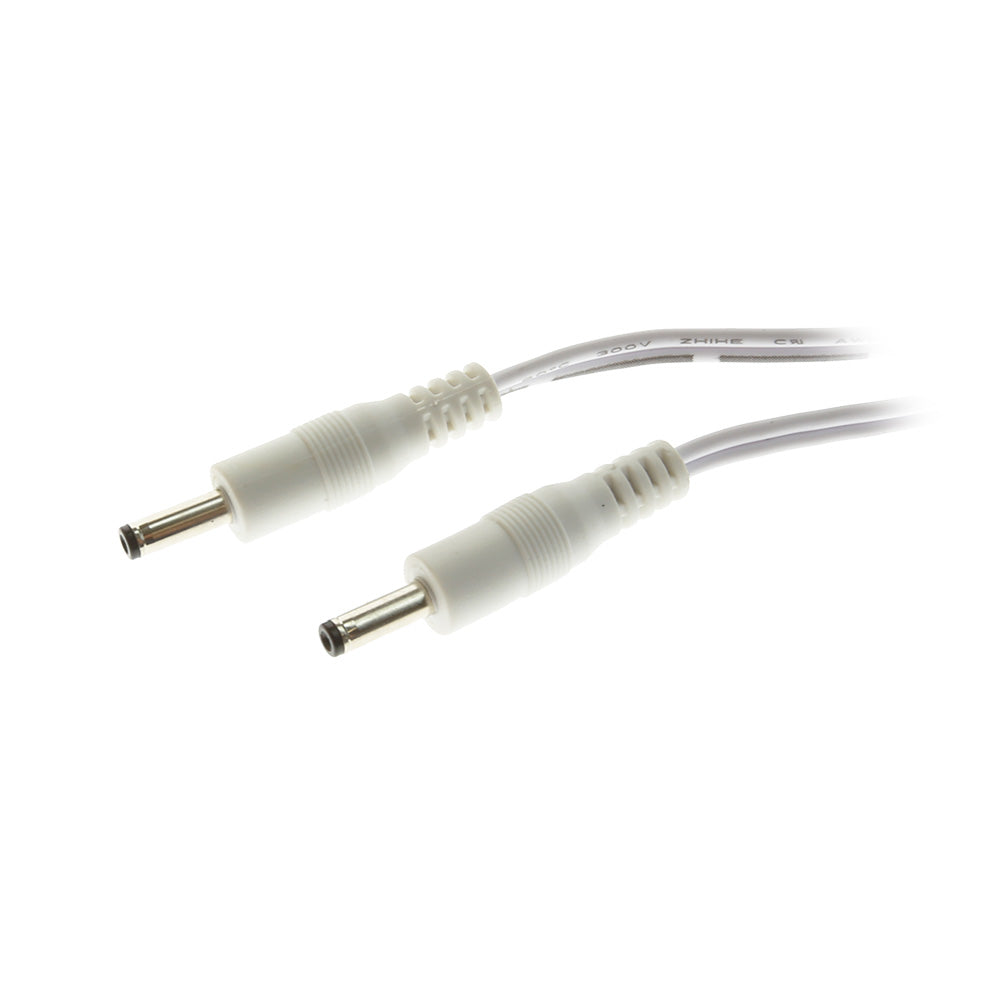
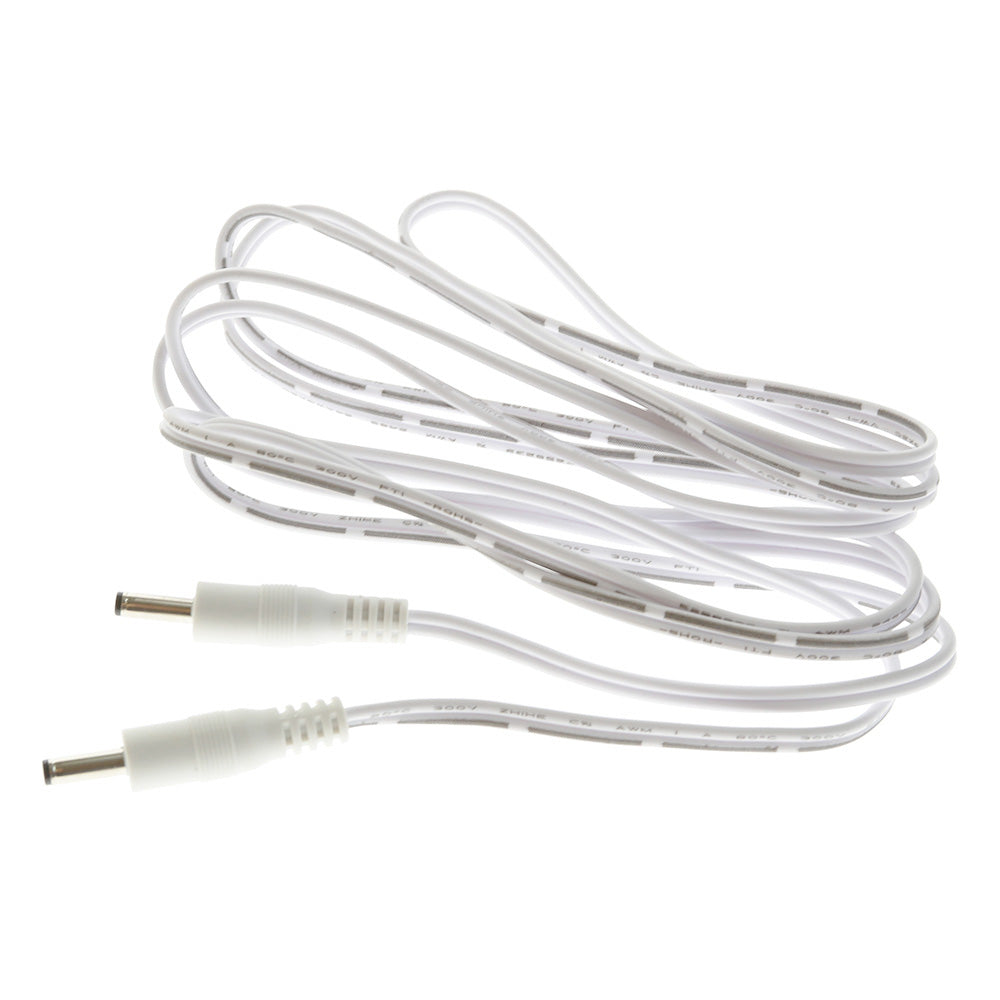
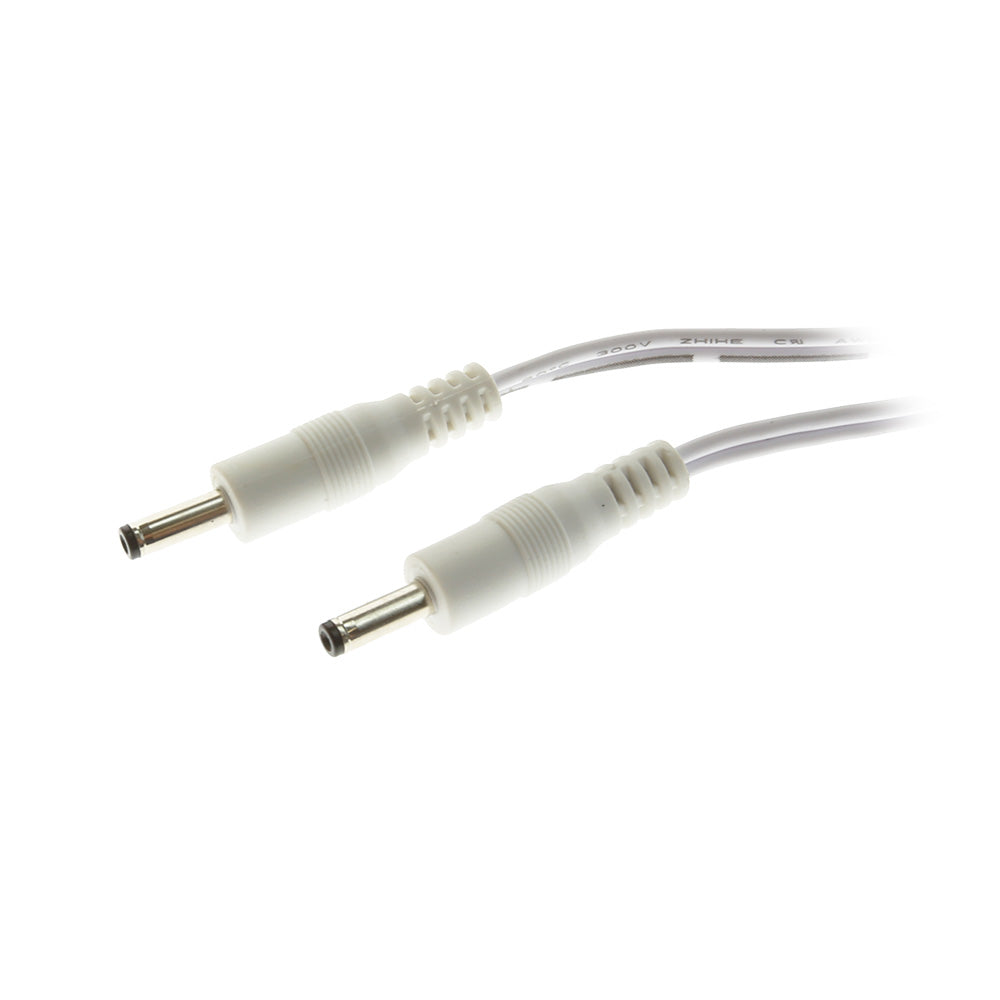
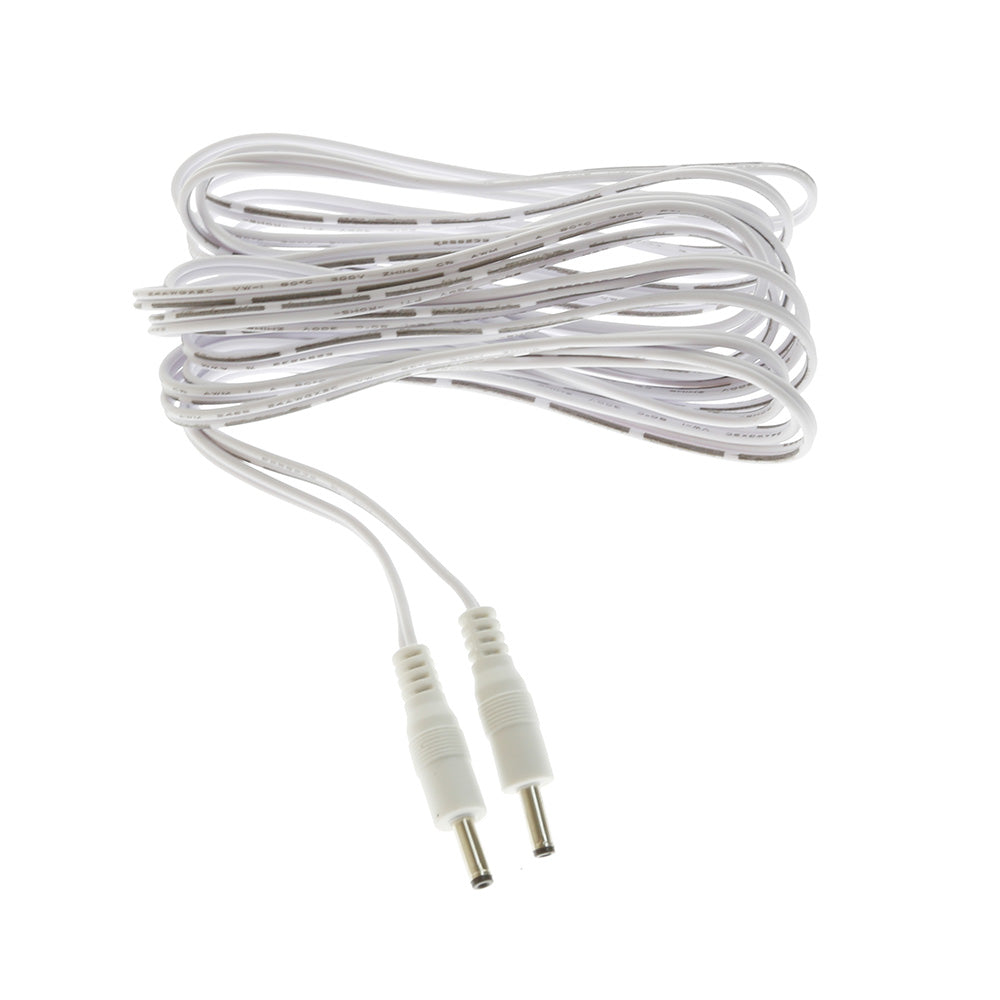
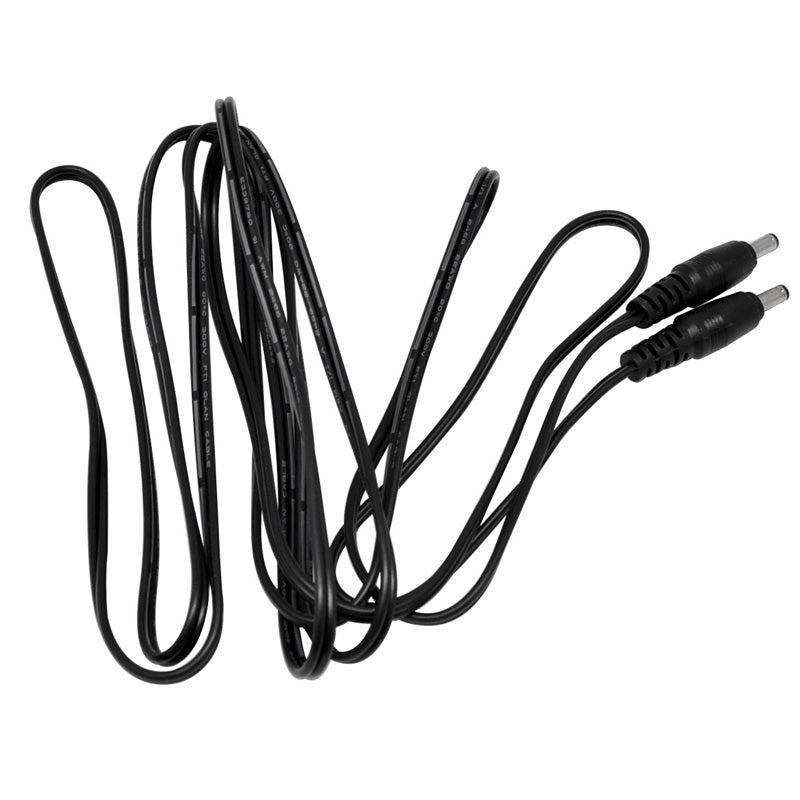
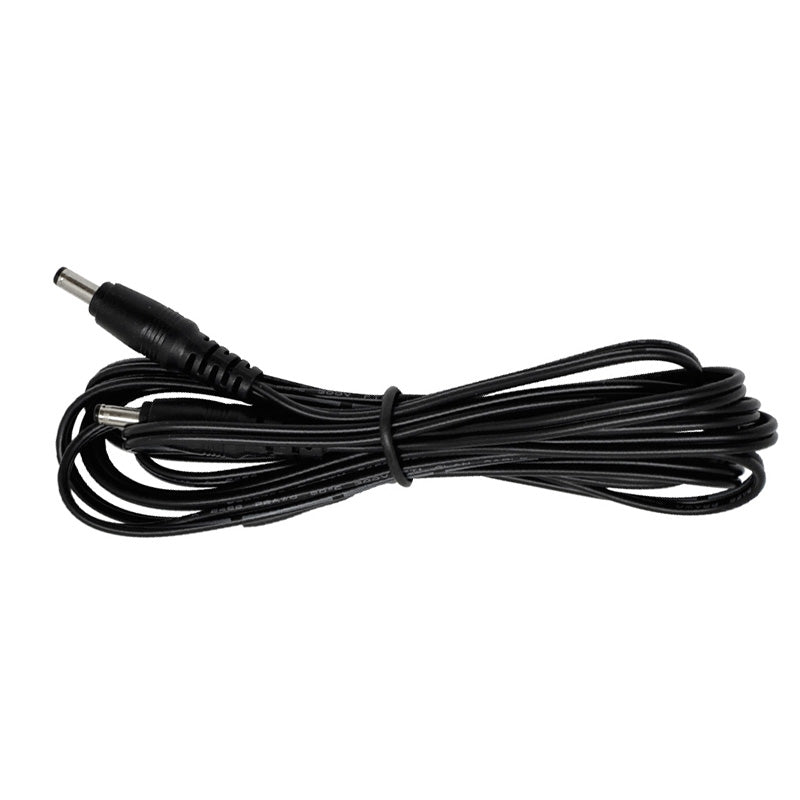
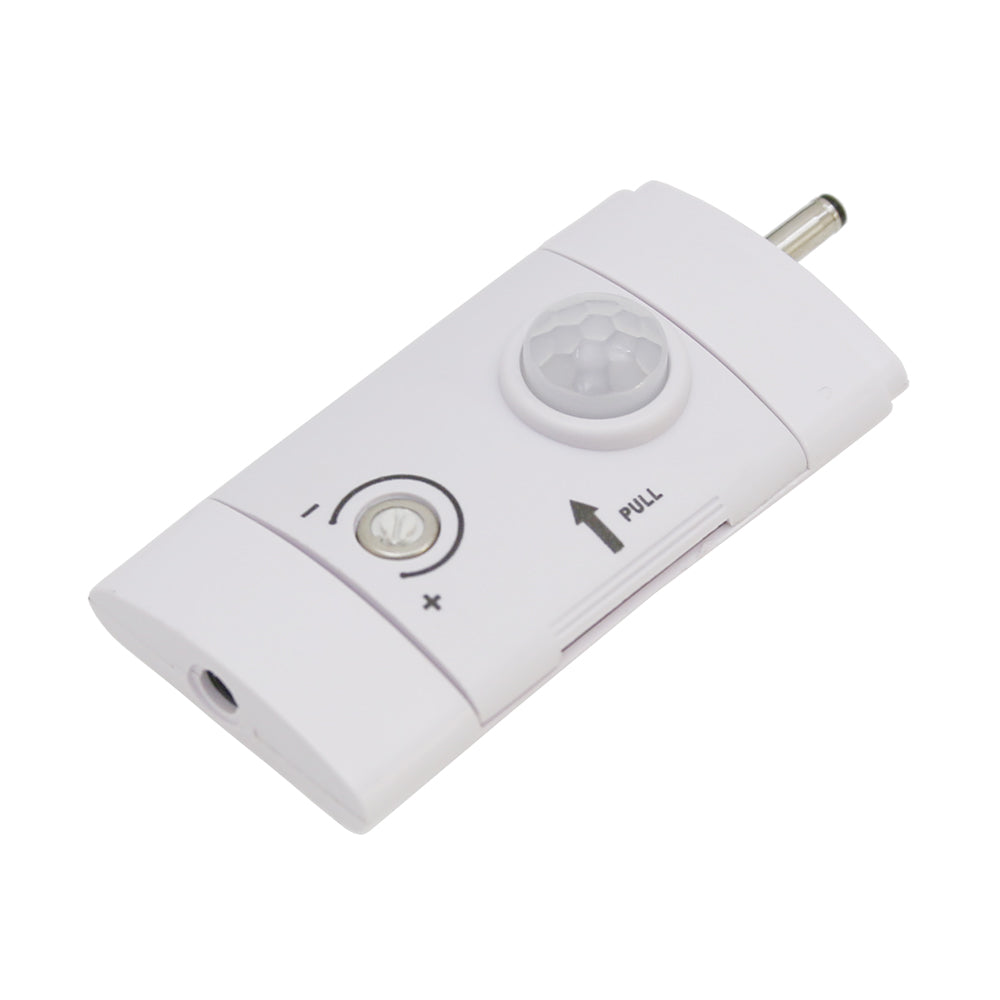
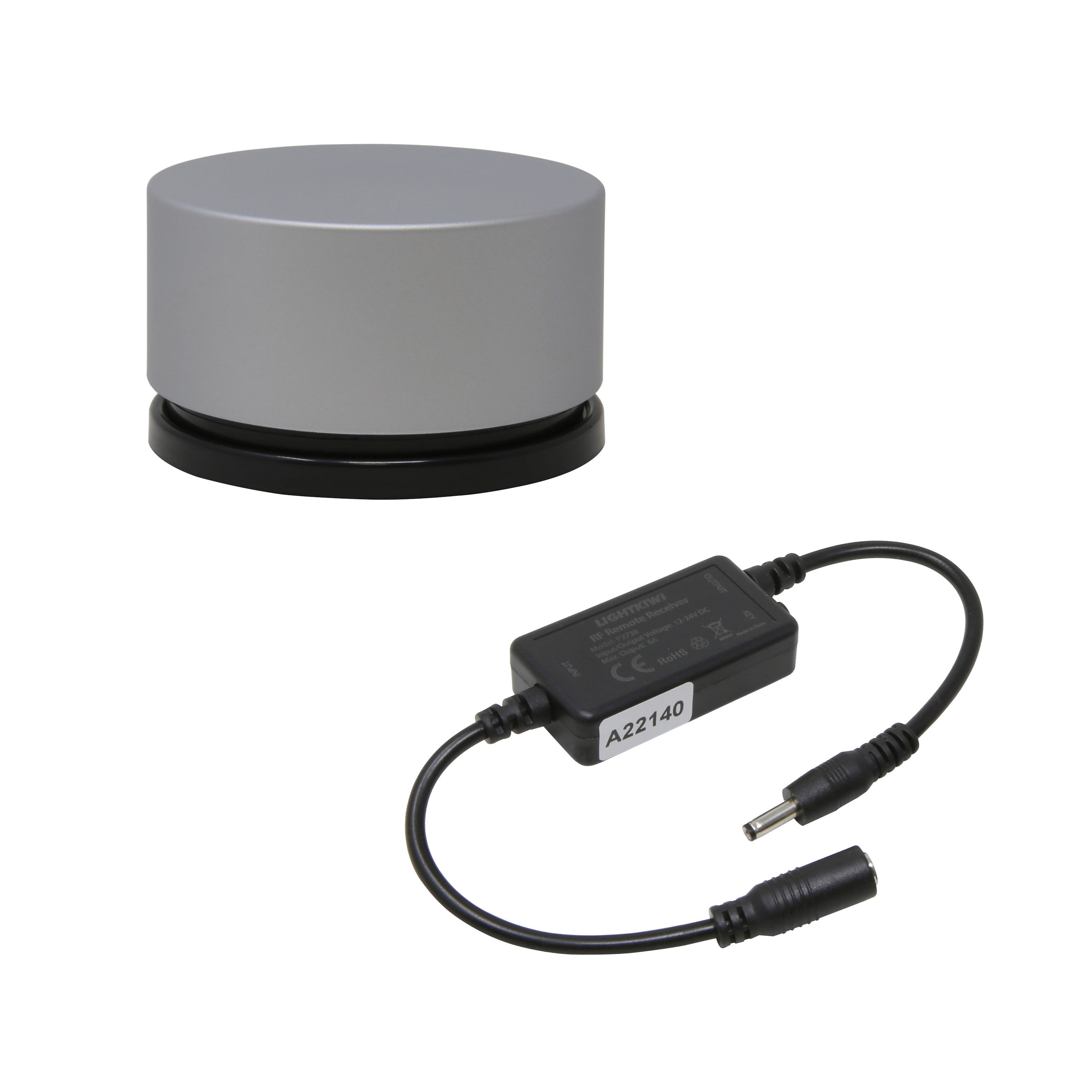
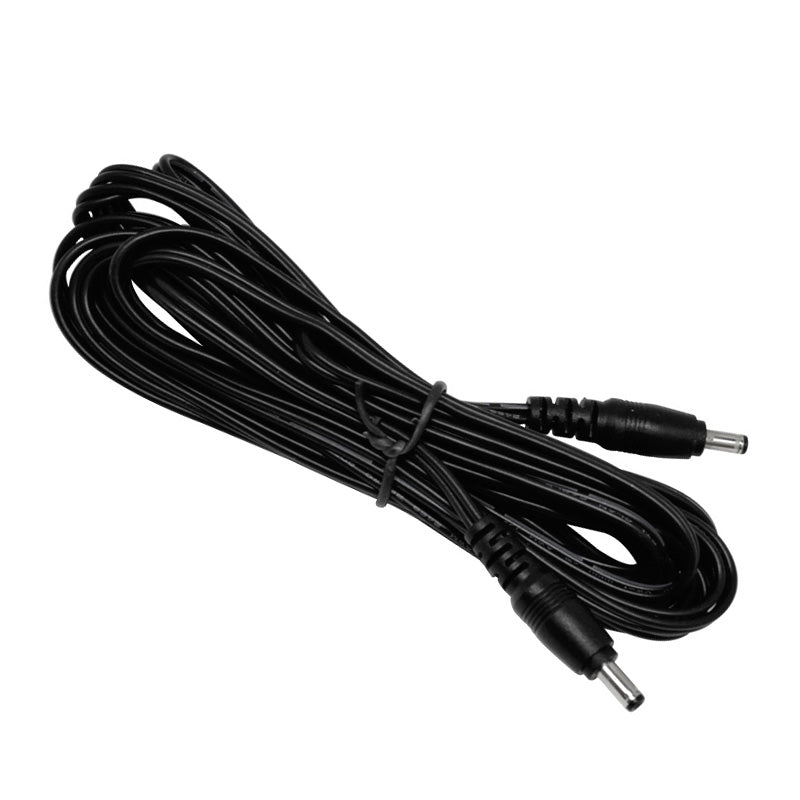
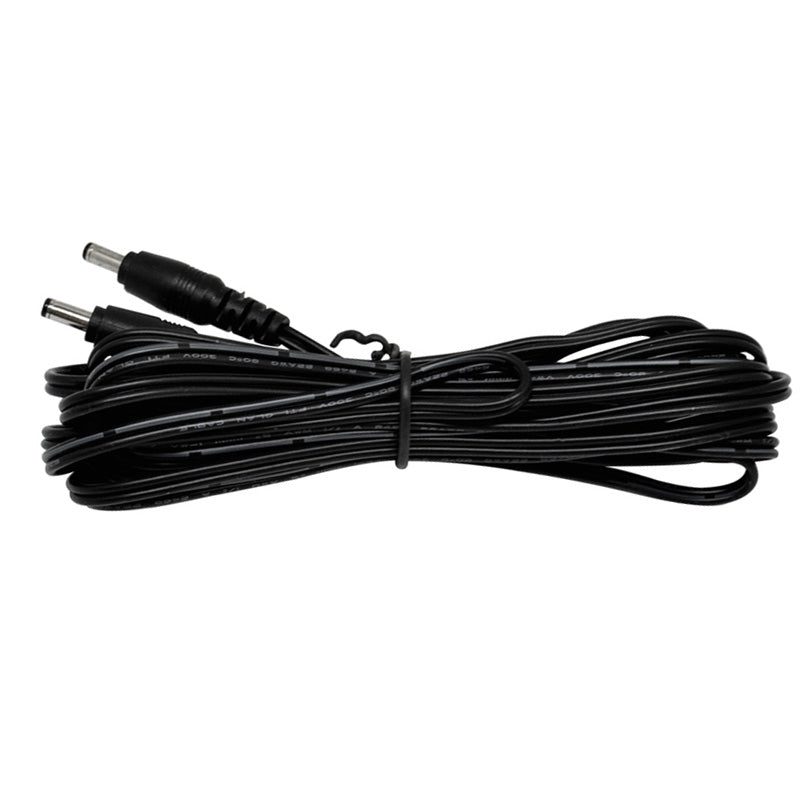
Automate your under cabinet lights with a PIR motion sensor (auto on/off) or hand wave IR sensor (touchless control). Add a 4-way splitter to power more panels from a single power supply. Extend cable runs with interconnect cables and extension cords.
Choosing the Right Kit Size
Measure the total length of cabinet space you want to light. Each standard 12-inch panel covers approximately one foot of cabinet space.
- 1-panel Basic Kit — single cabinet section or accent lighting
- 3-panel Premium Kit — 2–3 feet of cabinet space, small kitchens
- 4-panel Standard Kit — 3–4 feet, the most popular choice for a typical kitchen section
- 9-panel Pro Kit — 7–9 feet, full kitchen upper cabinet runs
- 12-panel Pro Kit — 10–12 feet, large kitchens or L-shaped layouts
Not sure what you need? Use the [Build Your Own Kit](https://diy.lightkiwi.com) tool to calculate the right configuration based on your cabinet layout.
Warm White vs Cool White
Warm white (3000K) produces a soft, yellowish-white light similar to halogen — cozy and inviting. Best for traditional kitchens, dining areas, and spaces where ambiance matters.
Cool white (4000K) is crisp and neutral, making food colors pop and task work easier to see clearly. Best for modern kitchens, food prep areas, garages, and workspaces.
When in doubt, warm white is the most popular choice for residential kitchens. Cool white is better if precision and visibility are your priority.
Why 24V?
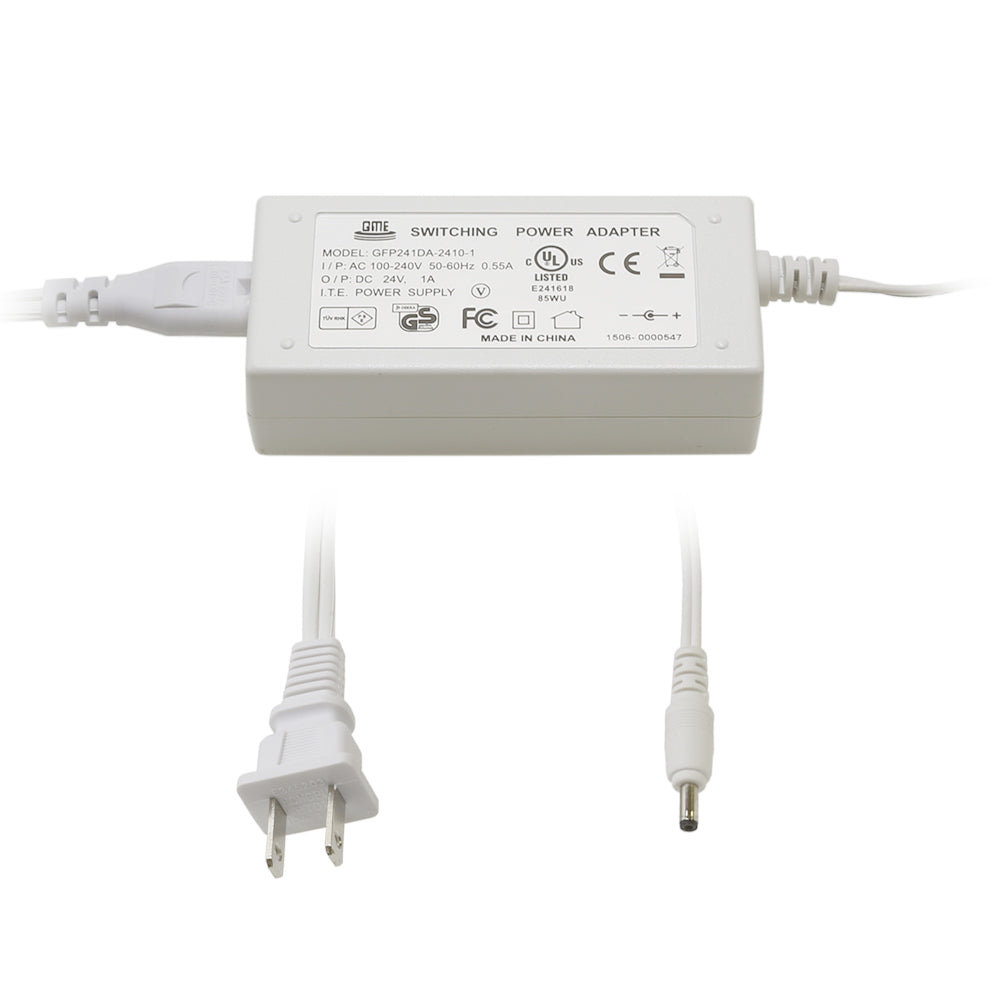
Most Lightkiwi under cabinet kits run on 24V DC. Compared to 12V systems, 24V allows longer cable runs between panels without brightness loss, runs cooler, and is more energy-efficient. This makes 24V the better choice for larger installs, longer cabinet runs, and anyone planning to expand their system later.
Frequently Asked Questions
Do I need an electrician to install plug-in under cabinet lighting?
No. Plug-in kits connect to a standard 110V outlet and require no electrical work. Mount the panels with the included clips, connect the cables, and plug in the power supply. Most installs take 30–60 minutes with basic tools.
Do I need an electrician for hardwire installation?
Yes, for the line-voltage connection. The dimmable transformer connects to your home's wiring, which requires a licensed electrician. Once the transformer is installed, the low-voltage panel connections are DIY-friendly.
Can I dim Lightkiwi under cabinet lights?
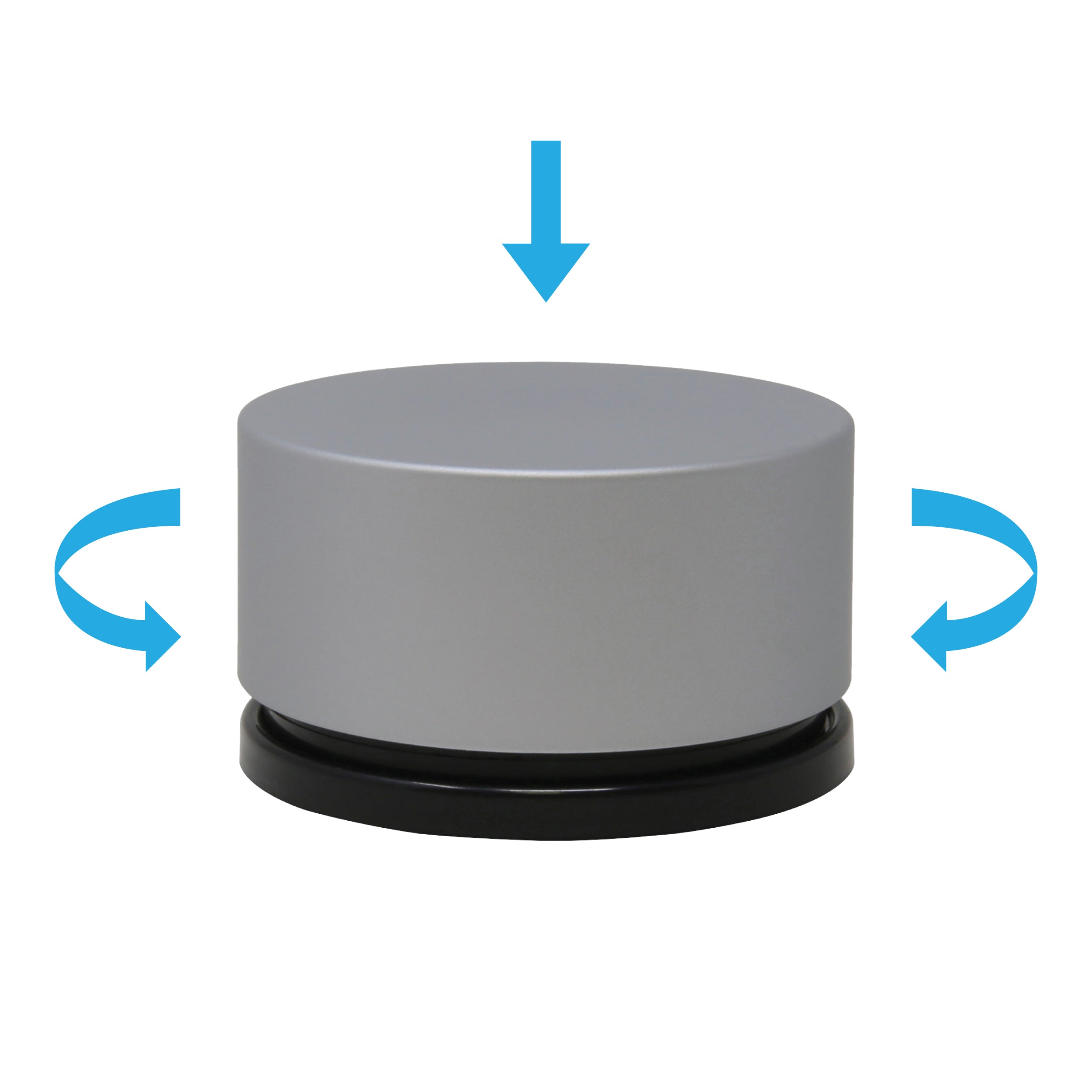
Yes. All plug-in kits include a built-in inline dimmer switch on the power supply, letting you set brightness from 0–100%. Hardwire kits use a dimmable transformer compatible with standard magnetic low voltage wall dimmer switches for smooth, flicker-free wall-switch dimming.
Can I add more panels later?
Yes. Lightkiwi's system is fully modular. Add panels, connect them with interconnect cables, and link to your existing power supply — as long as the total wattage stays within your power supply's capacity. You can also add accessories like motion sensors or splitters at any time.
What is the difference between plug-in and hardwire kits?
Plug-in kits connect to a standard wall outlet — easy to install, easy to relocate, no electrician required. Hardwire kits connect directly to your home's wiring for a cord-free, built-in look. Choose plug-in for convenience; choose hardwire for a cleaner,
permanent finish.
Can I control the lights with a wall switch?
Yes, but only with a hardwire kit. The hardwire kit includes a dimmable transformer that works with a compatible magnetic low voltage wall dimmer switch. Plug-in kits use the inline dimmer switch on the power supply cord — they are not compatible with
wall dimmer switches.
Can I add a motion sensor to my existing kit?
Yes. The PIR motion sensor and hand wave IR sensor are compatible with all Lightkiwi plug-in kits. The motion sensor connects between the power supply and the first panel, turning lights on automatically when motion is detected and off after a set delay.
What panel sizes does Lightkiwi offer?
6-inch, 12-inch, and 20-inch lengths. The 12-inch panel is the most versatile and popular for standard kitchen cabinet installations. The 6-inch panel is ideal for shorter cabinet sections. The 20-inch panel covers more space with fewer connections, ideal for long uninterrupted cabinet runs.
Are Lightkiwi under cabinet lights UL listed?
Yes. All Lightkiwi modular LED under cabinet lighting panels and power supplies are UL listed for safety compliance.
How long do the LED panels last?
Lightkiwi LED panels are rated for 50,000+ hours of use. At 6 hours per day, that's over 18 years of typical kitchen use.